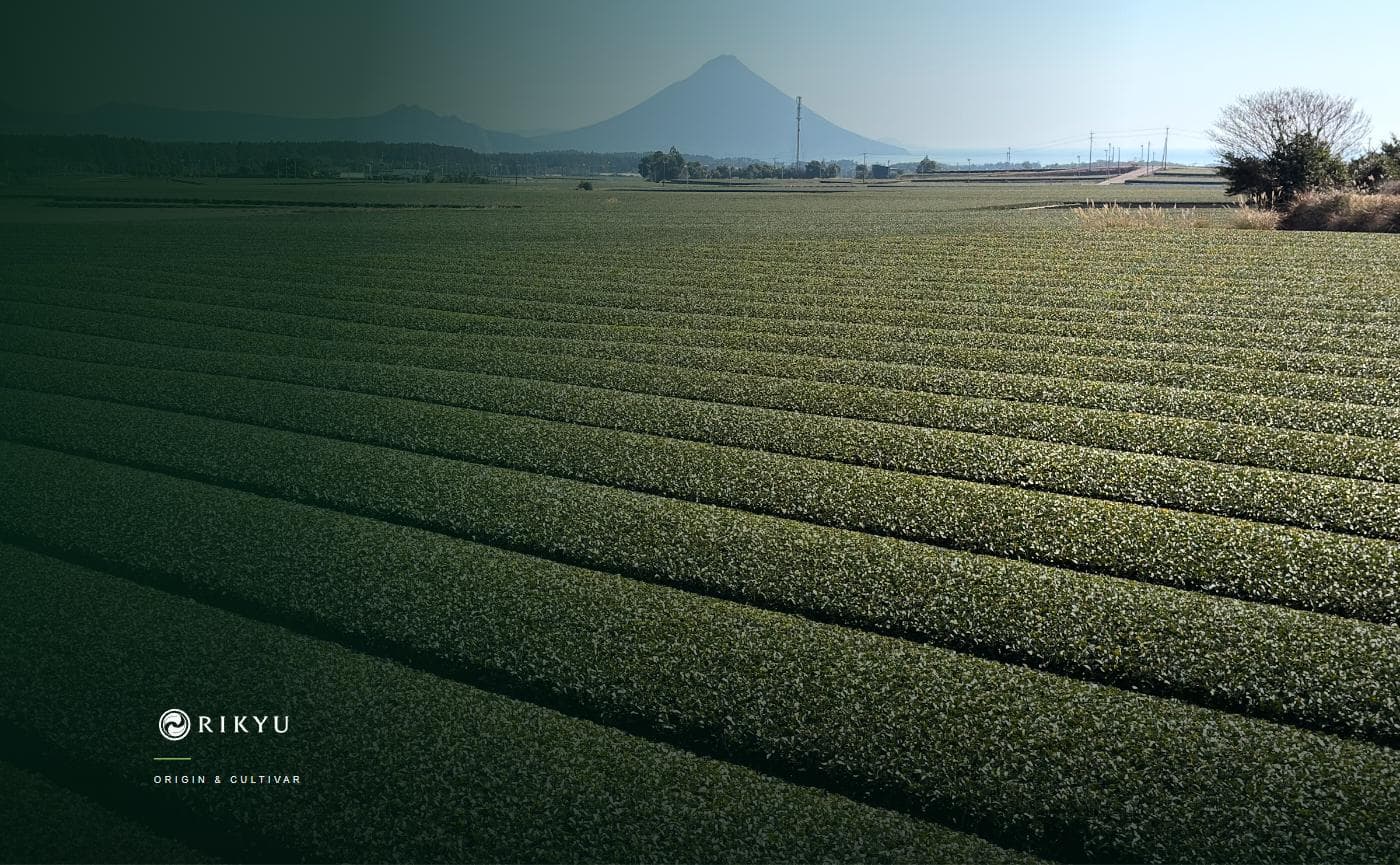
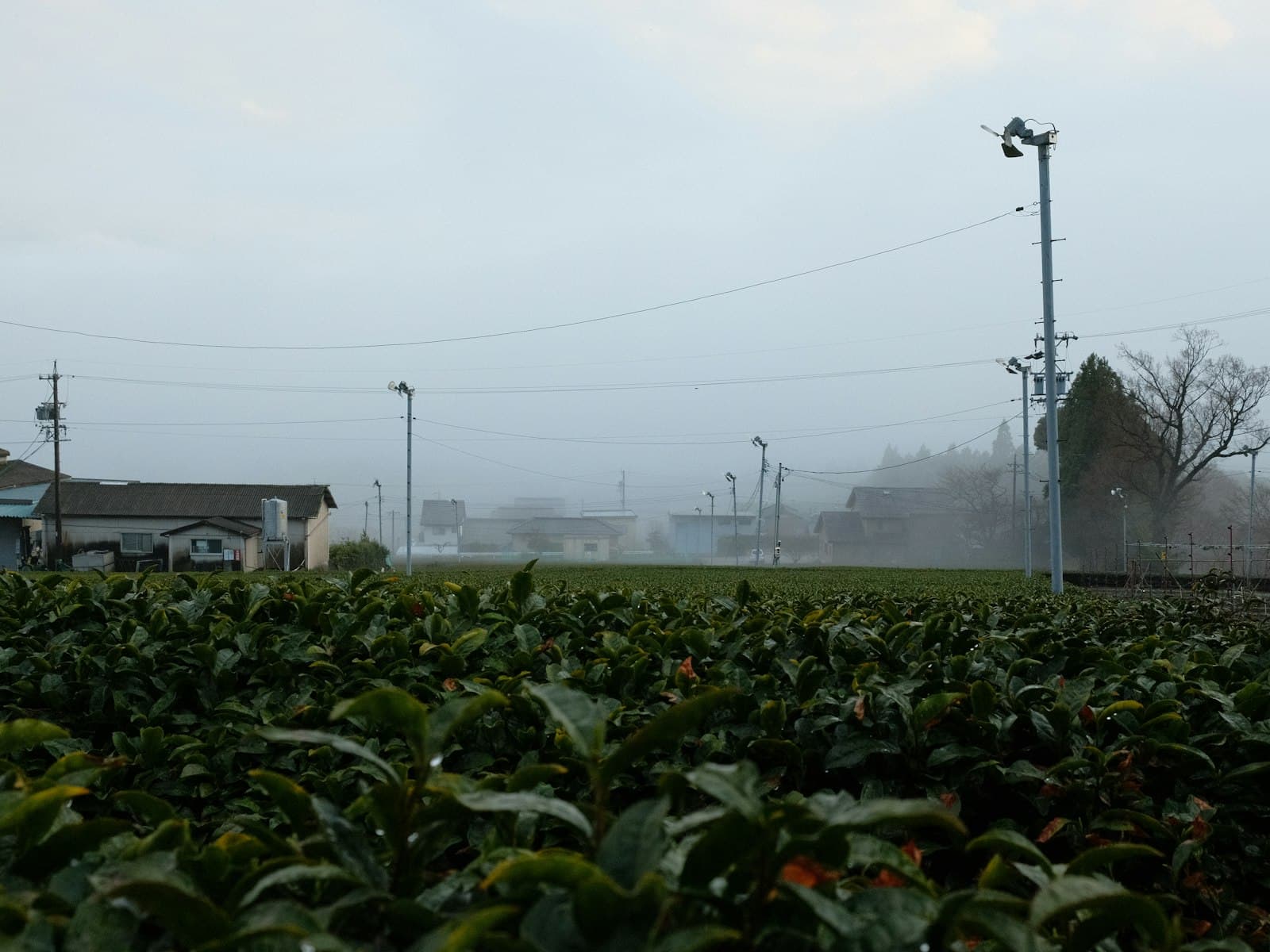
Uji became one of Japan's great tea regions because of four natural conditions: two rivers (the Uji and the Kizu), more than 1,500 mm of rain a year, steep valleys whose day–night temperature swings produce morning fog, and soil that drains just the right amount of water. The fog, in particular, protects young buds from frost — the greatest enemy of a tea harvest.
"Is Uji matcha special because of the land, or because of the brand?" It's a fair question, and the answer starts with the land. In this second article of Learning Ujicha, we look at the terroir beneath the reputation.
What Does a Tea Plant Want?
Excellent tea needs rich soil and pure water. The Uji growing area is fed by two rivers, the Uji and the Kizu, and receives over 1,500 mm of rainfall each year. Tea is a thirsty crop; this abundance of water is the foundation on which everything else is built.
Why Does Fog Matter So Much?
Many of Uji's tea gardens sit in river valleys and on gently sloping hillsides. On slopes, the difference between daytime and nighttime temperatures is large, and that temperature swing produces morning fog.
This fog is a shield. The greatest threat to a tea harvest is frost. When frost strikes in early spring, just as the new buds are emerging, it can devastate the year's first flush. A valley wrapped in fog behaves like a natural frost-protection system, holding warmth around the plants at the most vulnerable moment of the year.
What Is Different About the Soil?
Uji's soil has a particular quality: it drains rainwater at just the right rate. Soil that drains too slowly damages the roots; soil that drains too quickly leaves the plant dry. Uji's earth sits in the productive middle — releasing excess water while holding what the tea plant needs.
Is Terroir Alone the Reason for Uji's Reputation?
Honestly, no. Other regions in Japan have fine conditions too. What makes Uji different is that on top of this terroir, technique and demand concentrated here for more than 800 years — a story we'll tell in the next article. The point to remember is the order of things: the Uji brand was built on a foundation of terroir, not the other way around.
Ask your supplier: "Is this tea garden on flat land by the river, or on a slope? How do you protect against frost?"
FAQ
Does tea from slopes taste different from tea grown on flat land?
Generally, slopes have larger temperature swings and slower growth, which tends to favor aroma and umami. But cultivation method and cultivar also matter a great deal — topography alone doesn't decide flavor.
What happens to the matcha if frost hits?
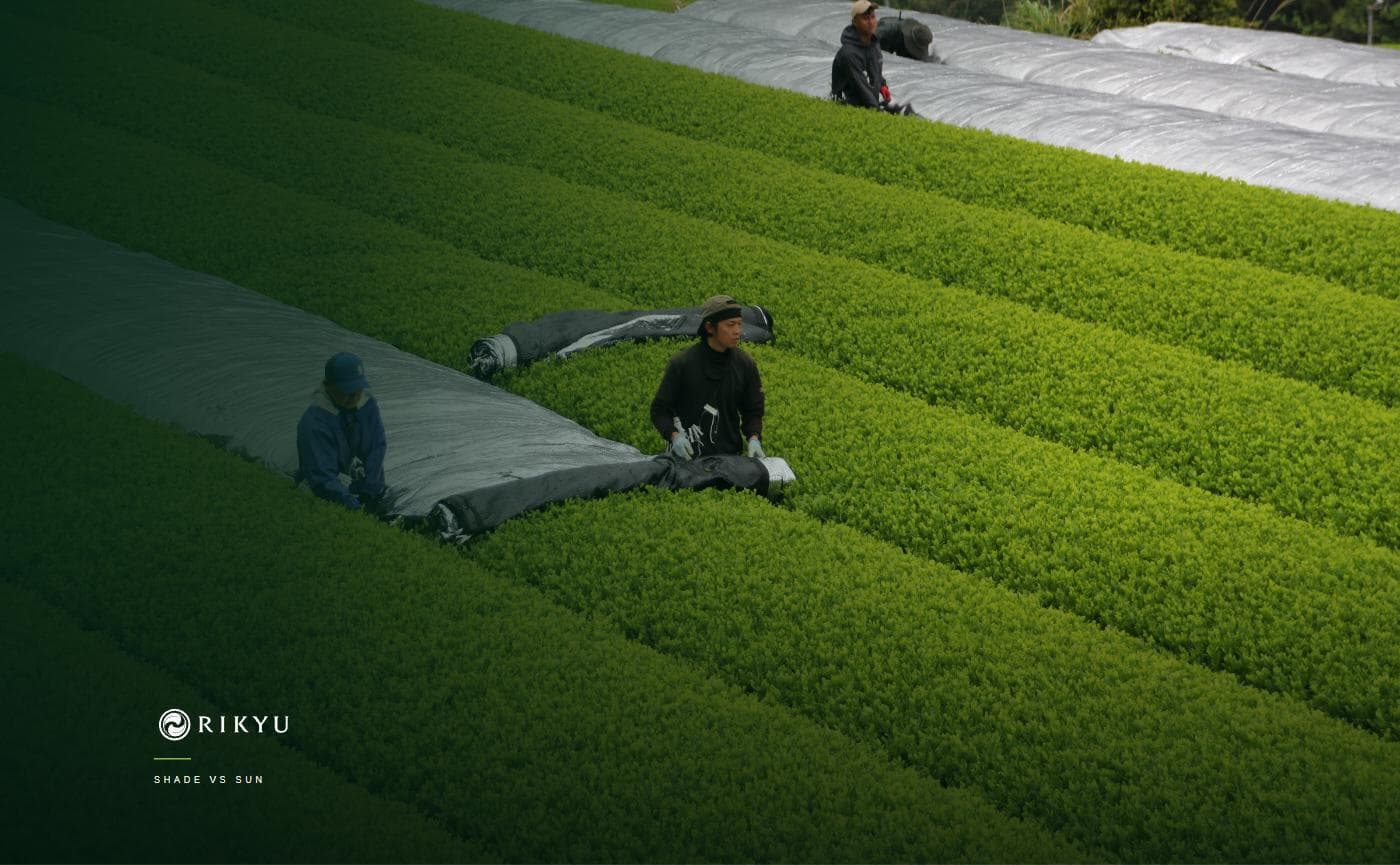
Depending on severity, the first-harvest yield drops and quality becomes uneven. Growers use frost fans and coverings to reduce the risk.
Learning Ujicha, part 2 of 10. Next: 800 Years in One Page — A Timeline of Ujicha.
Curious how terroir shows up in the cup? We're happy to send samples from our Kyoto growers. 📩 Request a sample or get in touch with our team