Ujicha is not simply "tea from Uji City." Under its registered definition, Ujicha is green tea grown in the four prefectures of Kyoto, Nara, Shiga and Mie, then finished by tea manufacturers in Kyoto Prefecture using the traditional Uji method. The name is defined by where and how the tea is finished, not by a single town.
"Uji matcha means matcha from the town of Uji, right?" This is one of the most common questions we hear from café owners — and the honest answer is: not exactly. Welcome to the first article in our Learning Ujicha series, where we explore Kyoto's tea region one topic at a time.
What Is the Official Definition of Ujicha?
"Ujicha" (宇治茶) is a registered regional collective trademark in Japan, managed by the Kyoto Prefecture Tea Cooperative. Its definition, in one sentence, reads:
Green tea grown in the four prefectures of Kyoto, Nara, Shiga and Mie, and processed in Kyoto Prefecture by Kyoto manufacturers using the original Uji method.
Notice that the growing area is not "Uji City" but four whole prefectures. Ujicha is not the name of a town. It is the name of a system of tea-making that developed around Kyoto over eight centuries.
Why Four Prefectures?
Historically, the methods perfected by Uji's tea masters spread outward to Yamato (today's Nara), Omi (Shiga) and Ise (Mie). These regions border Kyoto and grew tea within the same technical tradition. The definition of Ujicha therefore draws its line around that shared craft — tea grown by the Uji method and finished in Kyoto — rather than around a single municipality.
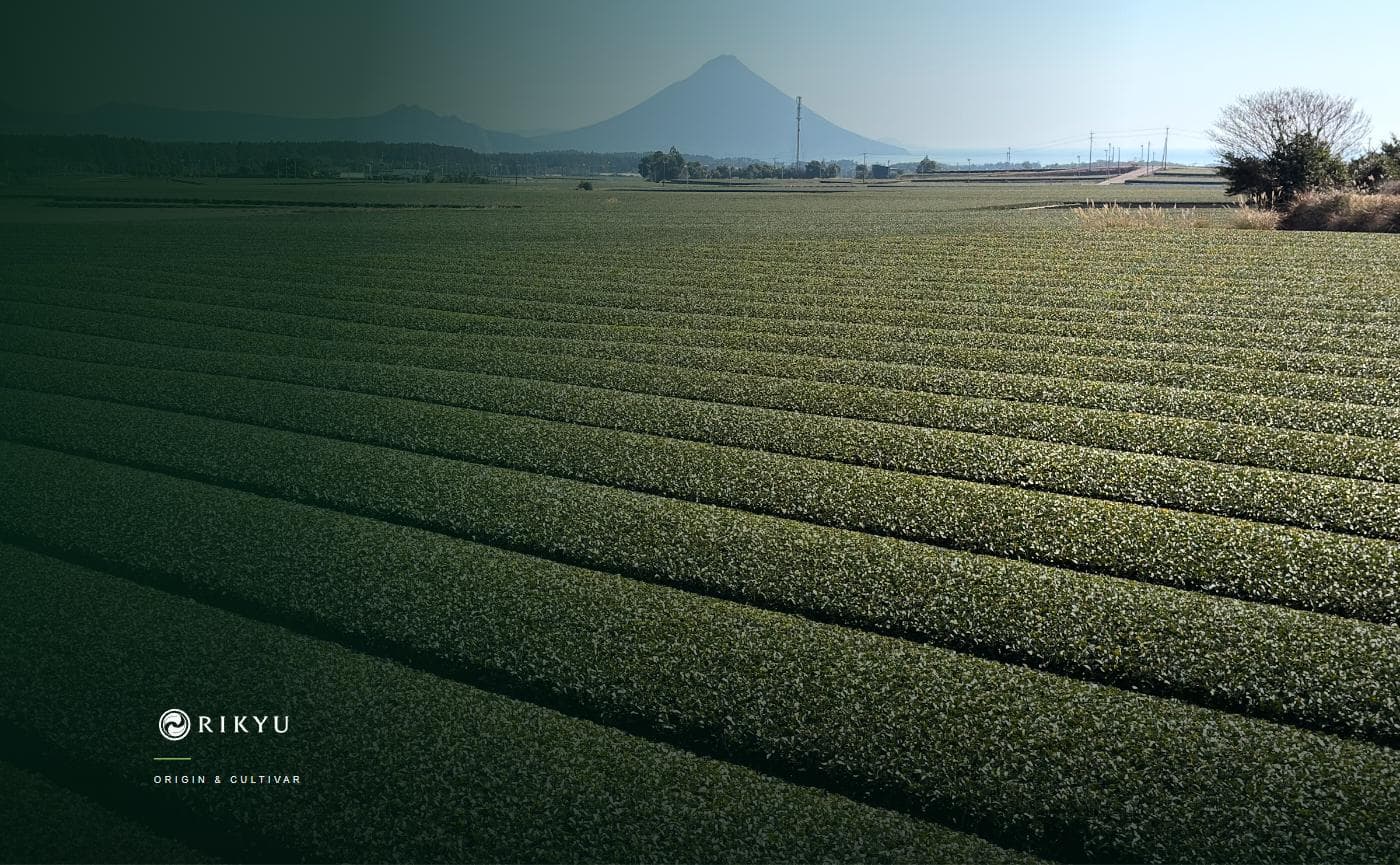
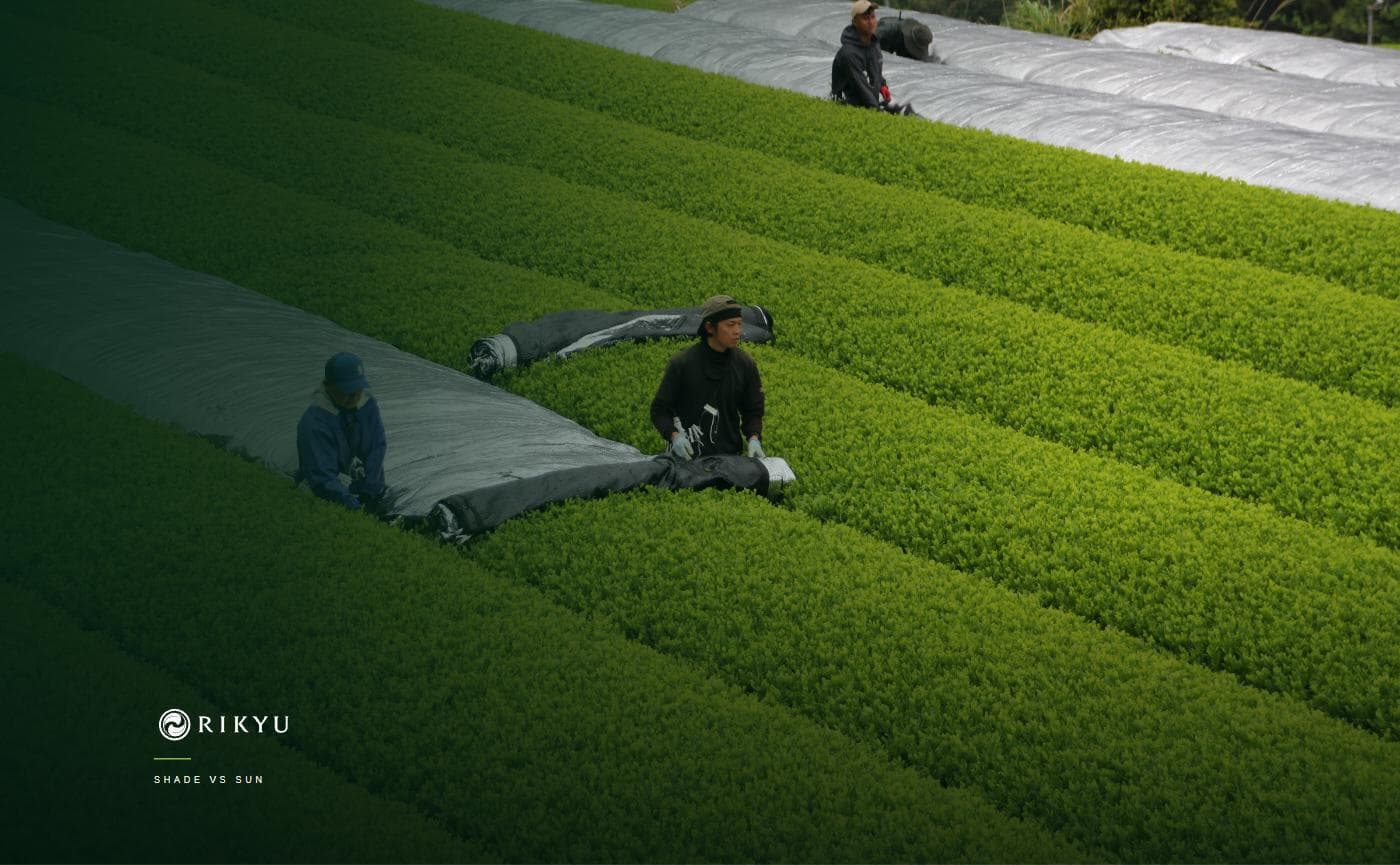
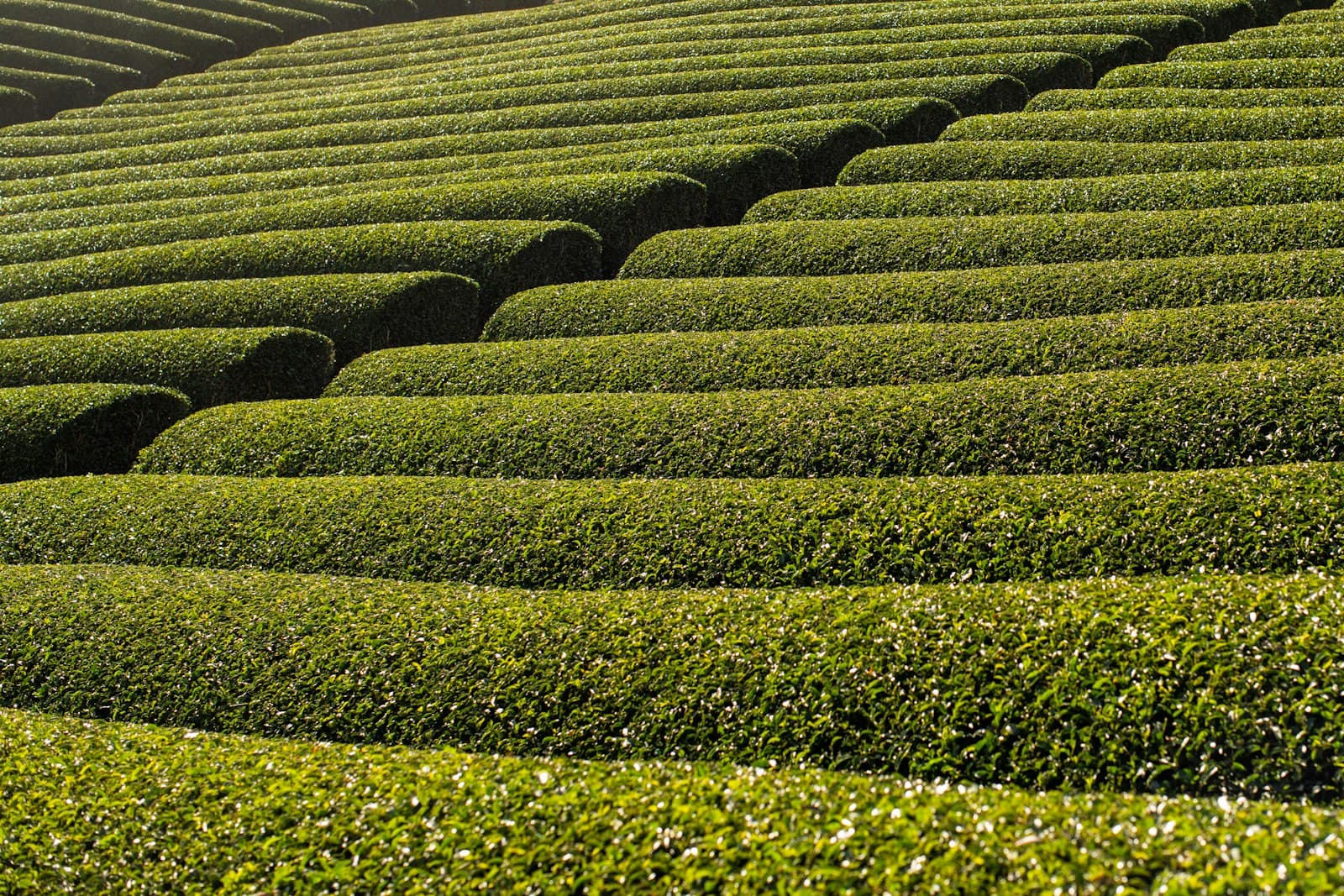
In practice, the heart of production is the Yamashiro region of southern Kyoto Prefecture: Uji City, Ujitawara, Wazuka and Minamiyamashiro. For tencha — the leaf that becomes matcha — this area is among the most important growing districts in Japan.
How Should a Buyer Read the "Uji" Label?
When you see "Uji" on a tin, read it as "finished in Kyoto by the Uji method," not "harvested in Uji City." That single shift changes how you evaluate origin claims.
If you want the full picture, ask two separate questions: where the tea garden is located (Uji City? Wazuka? Nara?), and where the finishing — sorting the tencha and stone-grinding it — was carried out. A good supplier can answer both without hesitation.
Ask your supplier: "Which town is the tea garden in, and where was the finishing — tencha sorting and stone-milling — done?"
FAQ
Can tea grown in Nara really be called Ujicha?
Yes. If it is finished in Kyoto Prefecture by a Kyoto manufacturer using the Uji method, it meets the definition.
Is "Uji matcha" the same as "Kyoto matcha"?
Not strictly. "Ujicha" is a defined, registered term. "Kyoto matcha" is a general geographic description with no official definition behind it.
Learning Ujicha, part 1 of 10. Next: Why Uji? Rivers, Fog, and the Terroir of Kyoto Tea.
Want to taste tencha from the Yamashiro region for yourself? We're happy to send samples. 📩 Request a sample or get in touch with our team