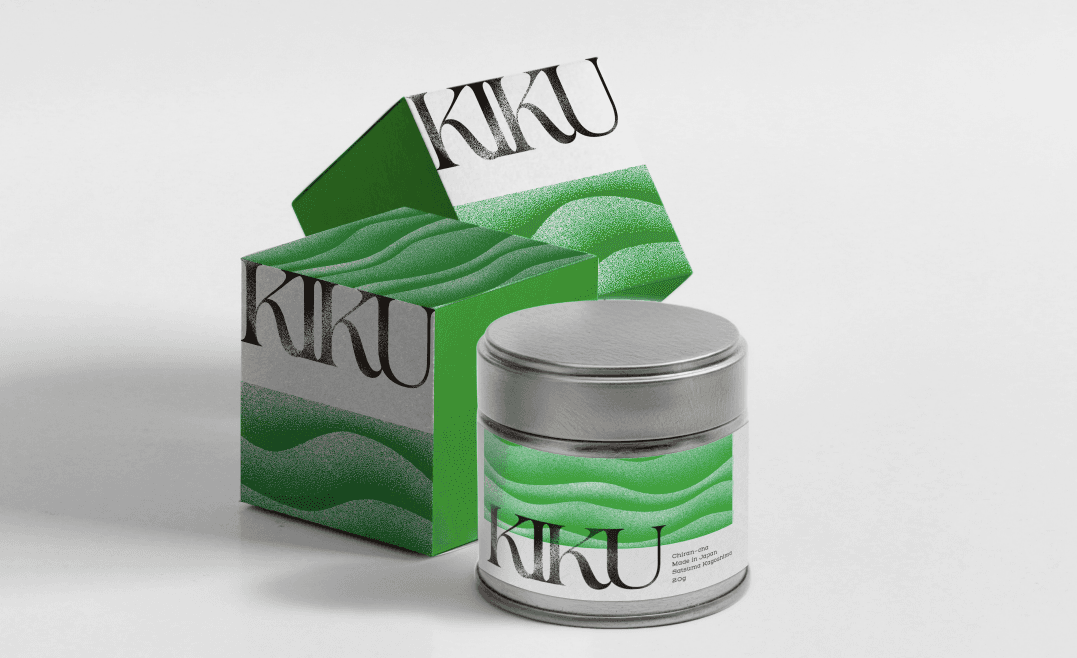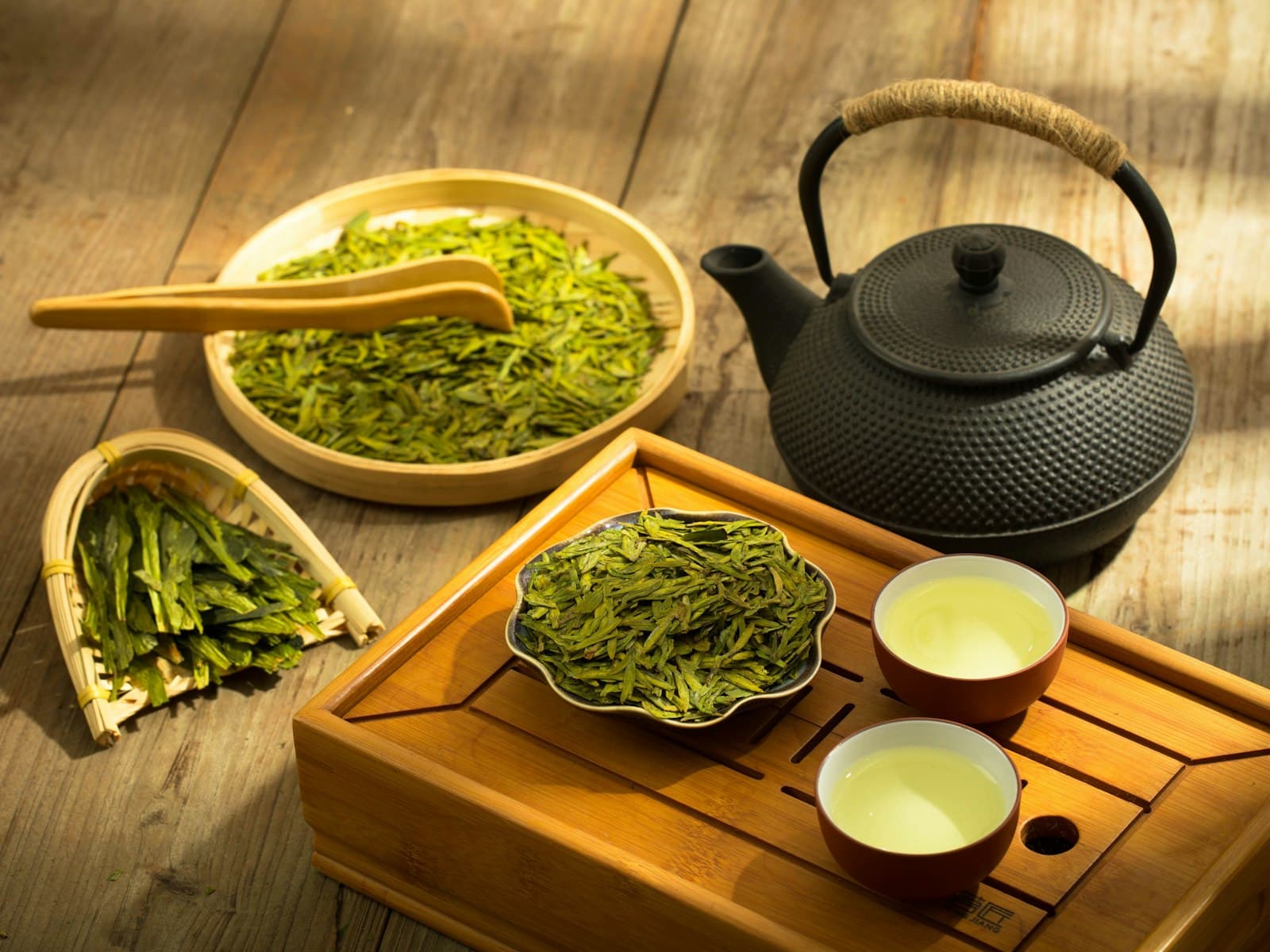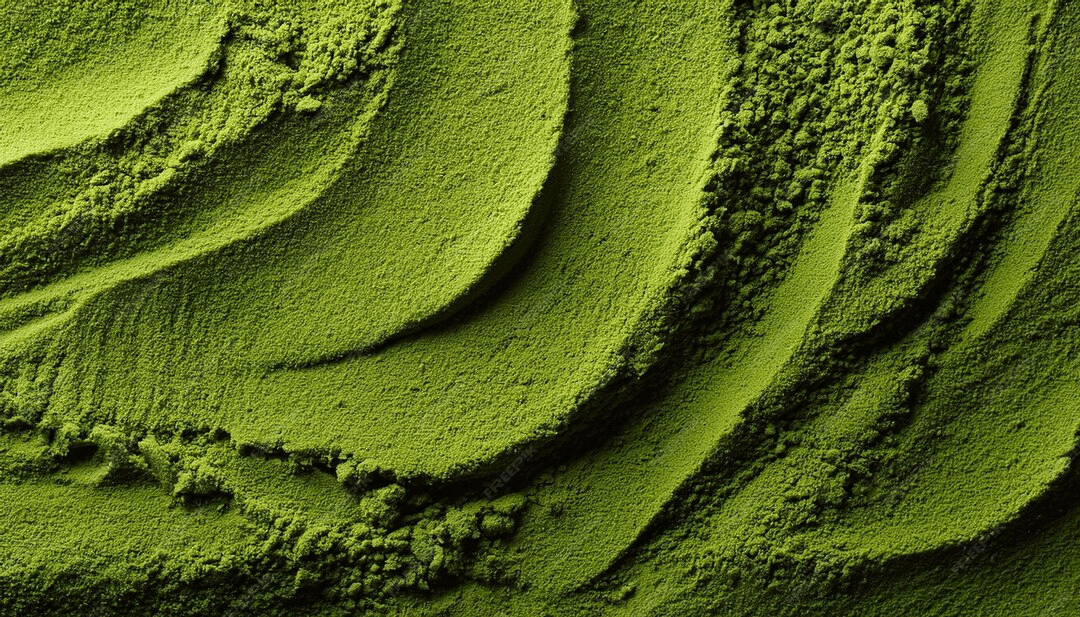
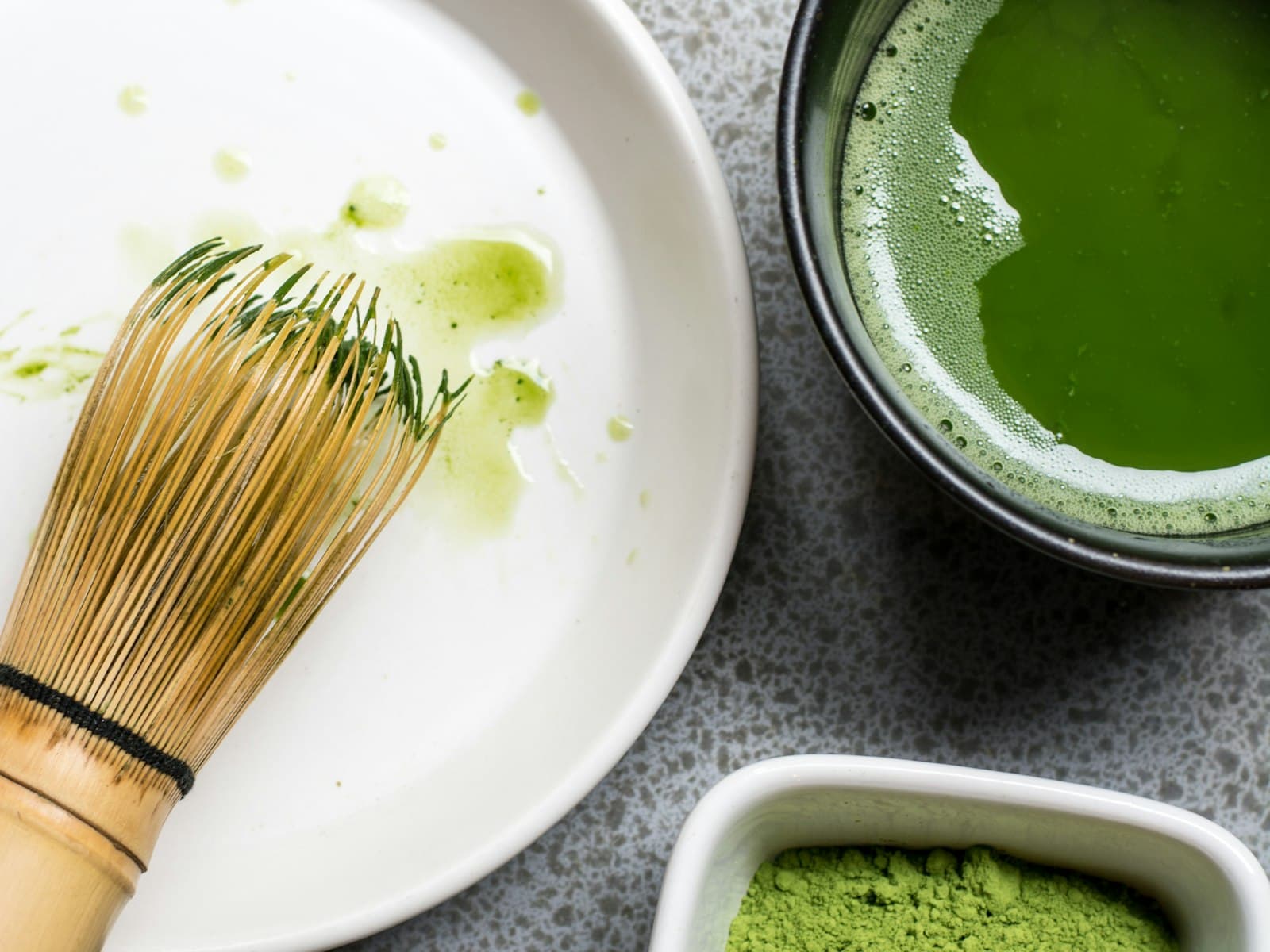
Matcha is the whole leaf, ground and drunk. That is the one structural fact behind every comparison with steeped teas: when you drink matcha, you consume both the water-soluble components (catechins, caffeine, vitamin C) and the components that never dissolve in water (beta-carotene, vitamin E, fiber). The figures below come from Japan's official food composition tables and describe what is in the leaf — they are not health claims.
"I've heard matcha is high in caffeine — how does it compare to sencha?" The best way to answer is to look at the actual numbers. Part nine of Learning Ujicha reads the ingredient table with you.
What Is in Matcha, Gyokuro and Sencha?
The following values are per 100 g of dry tea leaves, from the Standard Tables of Food Composition in Japan (fifth revised edition, Ministry of Education, Culture, Sports, Science and Technology).
Matcha — tannin 10.0 g · caffeine 3.2 g · protein & amino acids 30.6 g · fat 5.3 g · carbohydrate 38.5 g · minerals (ash) 7.4 g
Gyokuro — tannin 10.0 g · caffeine 3.5 g · protein & amino acids 29.1 g · fat 4.1 g · carbohydrate 43.9 g · minerals 6.3 g
Sencha — tannin 13.0 g · caffeine 2.3 g · protein & amino acids 24.5 g · fat 4.7 g · carbohydrate 47.7 g · minerals 5.0 g
Matcha — beta-carotene 29,000 µg · vitamin C 60 mg · vitamin E 28.1 mg · B1 0.60 mg · B2 1.35 mg · niacin 4.0 mg
Gyokuro — beta-carotene 21,000 µg · vitamin C 110 mg · vitamin E 16.6 mg · B1 0.30 mg · B2 1.16 mg · niacin 6.0 mg
Sencha — beta-carotene 13,000 µg · vitamin C 260 mg · vitamin E 68.1 mg · B1 0.36 mg · B2 1.43 mg · niacin 4.1 mg
How Should You Read These Numbers?
Tannin (catechins) is the astringent component. Sencha has the most; shade-grown matcha and gyokuro have less. The idea that shading suppresses astringency shows up right here in the figures.
Protein and amino acids are the umami components, and matcha and gyokuro outscore sencha. Among the amino acids, the one characteristic of tea is theanine.
Caffeine is higher in gyokuro and matcha than in sencha — but remember these are per 100 g of leaf. A serving uses very different amounts (about 2 g of matcha, versus about 5 g of sencha leaves that are steeped and discarded), so per-cup intake cannot be read straight off the table.
What Does "Drinking the Whole Leaf" Mean?
Tea's components divide into those that dissolve in water and those that do not. Vitamin C, catechins and caffeine dissolve. Beta-carotene, vitamin E and dietary fiber do not — they stay behind in the spent leaves after steeping.
Sencha and gyokuro are steeped teas: you drink only what dissolved. Matcha is a suspended powder: you drink the leaf itself, insoluble components included. Matcha is the only tea where the numbers in the table go almost entirely into the cup. That structural difference is a useful, factual thing to be able to say — on a menu, in staff training, or when explaining price.
A note on labeling: statements about health effects ("prevents…", "helps with…") are regulated under food-labeling rules in both the EU and the United States. This article deliberately limits itself to composition figures and structure, and we recommend the same caution on menus and social media.
Ask your supplier: "Do you have a component analysis (caffeine, theanine, etc.) for this matcha?" A supplier who can provide lot-level analysis has a real quality-control system behind the product.
FAQ
How does the caffeine in one bowl of matcha compare with coffee?
Using the table, a 2 g serving of matcha contains roughly 60–70 mg of caffeine. A typical 150 ml cup of coffee is generally cited at around 60–100 mg, so a bowl of matcha is in a similar or slightly lower range.
Do the components change in a matcha latte?
The matcha itself does not change, but milk and sugar transform the overall composition of the drink.
Learning Ujicha, part 9 of 10. Next: Chakabuki — How Kyoto Tea Masters Train Their Palate.
Need component analysis sheets for your matcha program? Get in touch and we'll share what we have for each lot. 📩 Request a sample or get in touch with our team