Japanese tea began in temples. It arrived from China as a medicine, was first planted in Uji in the Kamakura period (1191), and it was in Uji that the methods for sencha (1738) and gyokuro (late Edo period) were later invented. Matcha's ancestor, tencha, is more than 500 years older than sencha — it is the original form of Japanese tea.
"Which is older, matcha or sencha?" Most people guess sencha, because it looks like "ordinary" tea. The timeline says otherwise. Part three of Learning Ujicha puts 800 years on a single page.
Why Are Tea and Temples So Closely Linked?
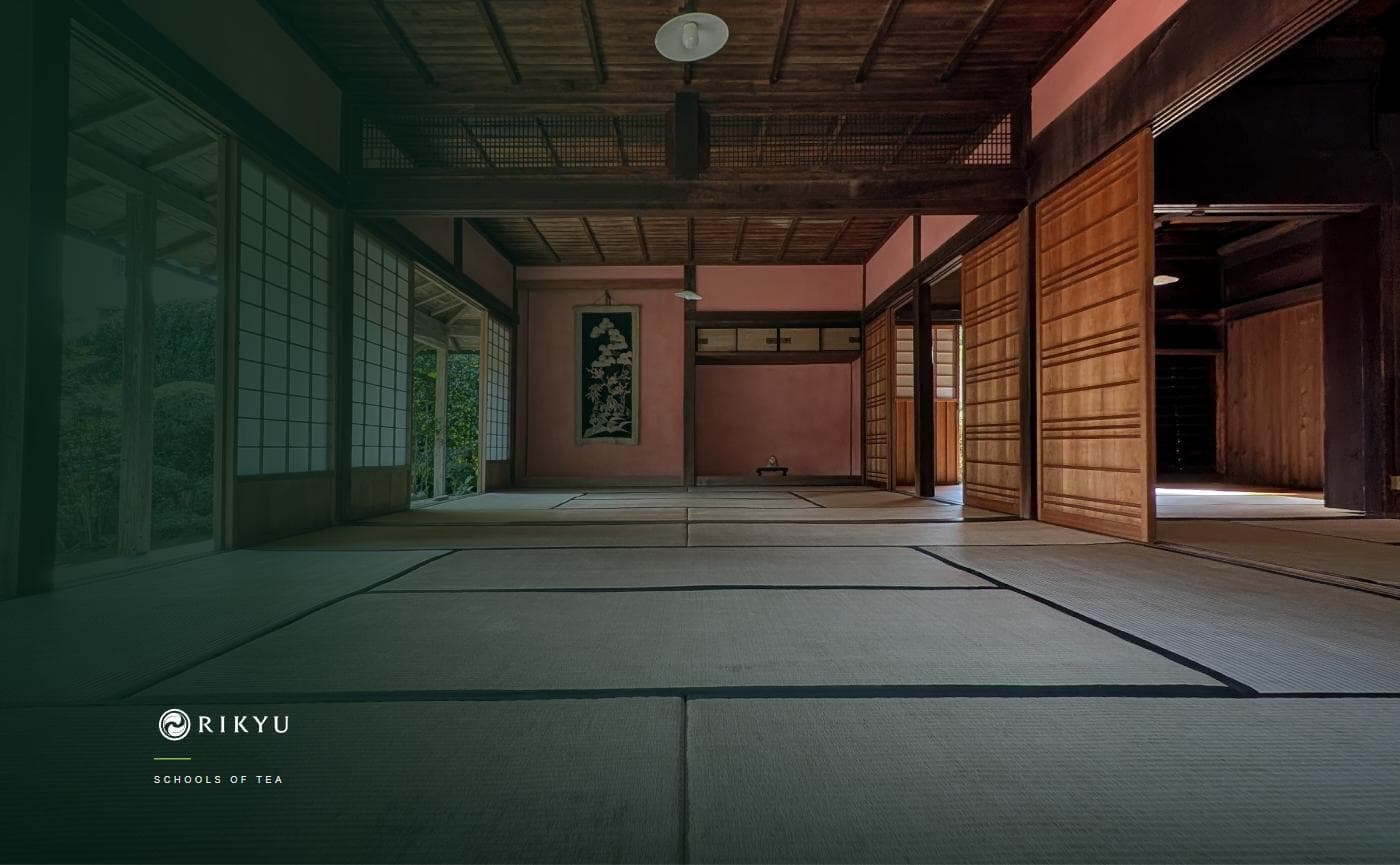
Walk around the Uji region and you will often find a tearoom built beside a temple. The connection between tea and Buddhist monks runs deep: the first person believed to have cultivated tea in Japan was a monk. In its earliest days, tea was drunk by monks as a medicine — to stay alert during practice and to keep the body in balance.
A Timeline of Ujicha
c. 760 — In Tang-dynasty China, Lu Yu writes the Cha Jing (The Classic of Tea), the oldest known book on tea. Tea in China at this time is pressed into hardened cakes.
805 — The monks Saicho and Kukai return from China with tea seeds and plant them at the foot of Mt. Hiei.
1191 — The monk Eisai returns from Song China and promotes the custom of drinking tea. The monk Myoe receives seeds from Eisai and plants them at Toganoo in Kyoto — and in Uji. Ujicha cultivation begins here. In China at this time, tea is drunk as a powder: the ancestor of matcha.
1211 — Eisai writes the Kissa Yojoki, Japan's oldest book on tea, describing how it is made and why it is good for you.
Muromachi period — Encouraged by the Ashikaga shogunate, tea gardens are established in Uji and the excellence of Ujicha becomes known throughout Japan.
Early Edo period — The name "Ujicha" appears in written records for the first time.
1738 — Nagatani Soen, a tea farmer from Ujitawara, establishes the Uji method (aosei sencha): steamed leaves rolled by hand while drying. Modern sencha is born.
Late Edo period — The method for making gyokuro is established in Uji.
What Does This Timeline Tell Us?
Three things. First, tea entered Japan as a medicine and spread through temples. In the Kissa Yojoki, Eisai called tea a healing medicine for a long and healthy life.
Second, the first form of tea to take root in Japan was powdered tea — the ancestor of matcha. Sencha would not appear for more than five centuries.
Third, all three major forms of Japanese green tea — tencha (matcha), sencha and gyokuro — were born in Uji and its surroundings. Soen's Uji method spread to Yamato, Omi and Ise and eventually became the standard for sencha nationwide. Uji is called the origin of Japanese tea not simply because it is old, but because the methods themselves were invented here.
Ask your supplier: "How many generations has your tencha garden been farmed?" In a region with this much history, you will get a real answer.
FAQ
Who first brought tea to Japan?
The earliest record is Saicho and Kukai bringing seeds in 805, but it was Eisai, returning in 1191, who truly established the custom of drinking tea.
Who was Nagatani Soen?
A tea farmer from Ujitawara in the mid-Edo period. The processing method he established in 1738 became the foundation of modern sencha.
Learning Ujicha, part 3 of 10. Next: One Plant, Many Teas — The Japanese Green Tea Family Tree.
Want to taste the region where Japanese tea began? We're happy to send samples. 📩 Request a sample or get in touch with our team