Koicha and Usucha Culture: The Deep Traditions of Japanese Tea Ceremony
15 November, 2026
What are Koicha and Usucha?
Matcha has two distinct preparation styles: "koicha" (thick tea) and "usucha" (thin tea). This distinction originated from the traditional tea ceremony culture that developed primarily in Kyoto, reflecting not merely a difference in concentration but profound historical background and spirituality.
Why Is Koicha the Main Tea in the Tea Ceremony?
In the tea ceremony, koicha is positioned as the "main" while usucha serves as "supplementary" or "informal." During Sen no Rikyū's era, when people simply said "tea," they meant koicha - usucha was only specified when explicitly distinguished. This demonstrates how central koicha was to the tea ceremony.
Koicha is served as the highlight of a formal tea gathering called "chaji." A chaji is the "full course of tea," consisting of charcoal preparation (sumi temae), kaiseki cuisine, and tea service. Everything is orchestrated around koicha - from adjusting the fire, serving kaiseki, to arranging the tea room.
How Did Muromachi Warrior Society Shape Koicha?
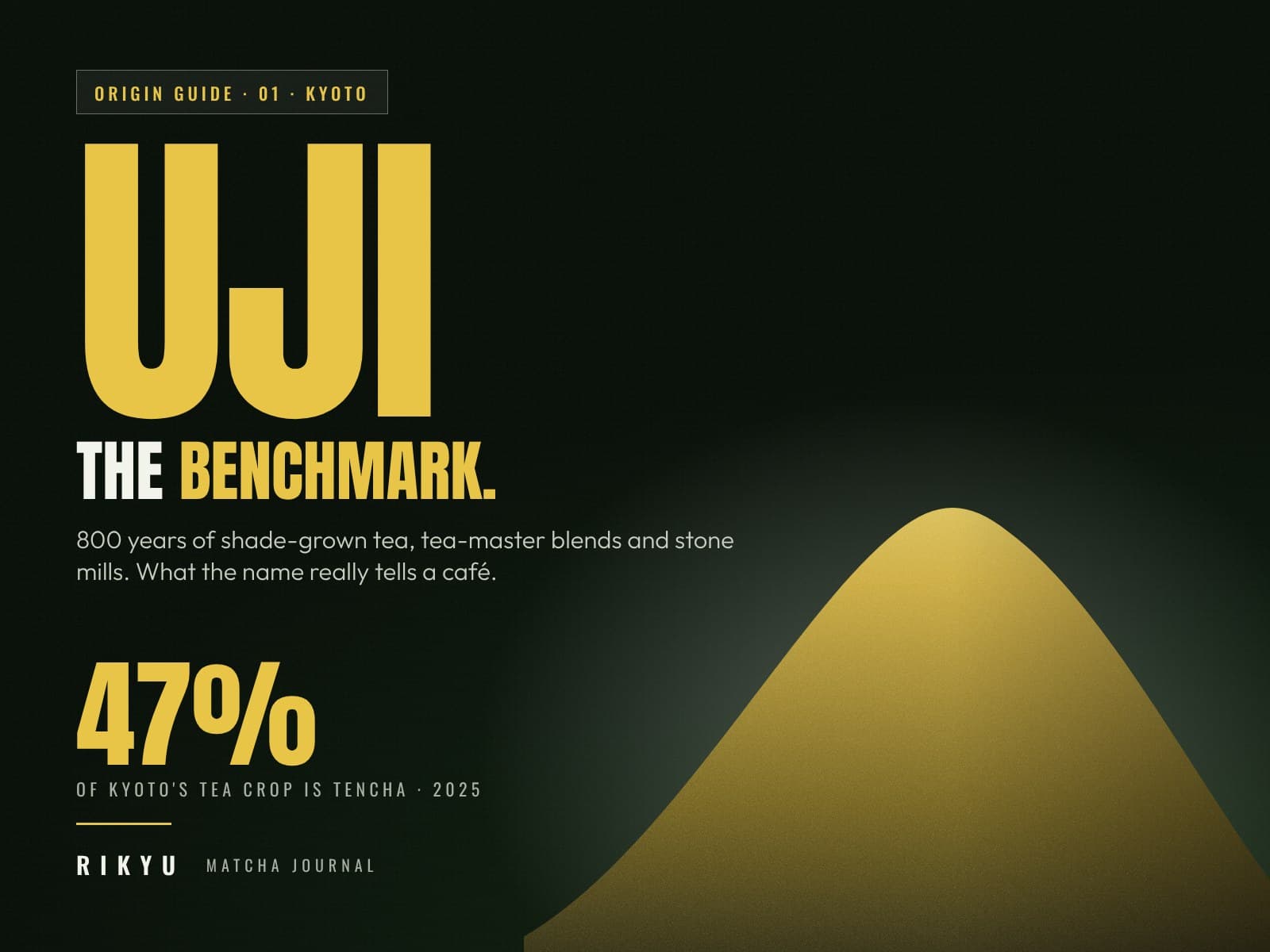
The elevated status of koicha is deeply connected to the historical development of the tea ceremony. During the Muromachi period, the Ashikaga Shogunate and powerful provincial lords (shugo daimyo) established dedicated tea plantations in Uji, establishing tea culture within warrior society.
Initially, tea gatherings called "kaisho no cha" featured lavish displays of Chinese tea utensils (karamono) and extravagant banquets. As a culture emphasizing formality and refinement among nobility and warriors, tea ceremony became an important element demonstrating the status and wealth of those in power.
What Meaning Is Embedded in Koicha?
Koicha has the following characteristics:
Commitment to Quality Koicha uses the highest quality matcha with minimal bitterness and astringency, rich in umami. The amount used per serving is approximately three times that of usucha, allowing the pure taste of the tea leaves to come through directly. This necessitates the use of sweet, high-quality tea leaves.
Prestigious Utensils For koicha, which is shared among several guests, larger, thicker tea bowls that retain heat are used. These include prestigious styles such as Raku ware and Hagi ware. The tea container is typically a ceramic tea caddy (chaire) wrapped in a silk pouch, sometimes including "karamono" - extremely valuable Chinese pieces.
During the Warring States period, these famous tea utensils were valued as highly as entire provinces, and warlords competed to collect them.
Silence and Spirituality During koicha service, guests quietly observe the tea preparation, refraining from conversation. Tea is prepared with refined utensils in a dignified atmosphere. This represents the essence of tea ceremony based on Zen principles - simplicity, profundity (yūgen), and wabi aesthetics.
What Is the Role of Usucha?
In contrast, usucha is enjoyed after koicha in a more relaxed atmosphere. Guests share their impressions of the tea gathering, conversing pleasantly in a comfortable space.
Usucha favors colorful tea bowls with patterns and designs, served in a more approachable atmosphere.
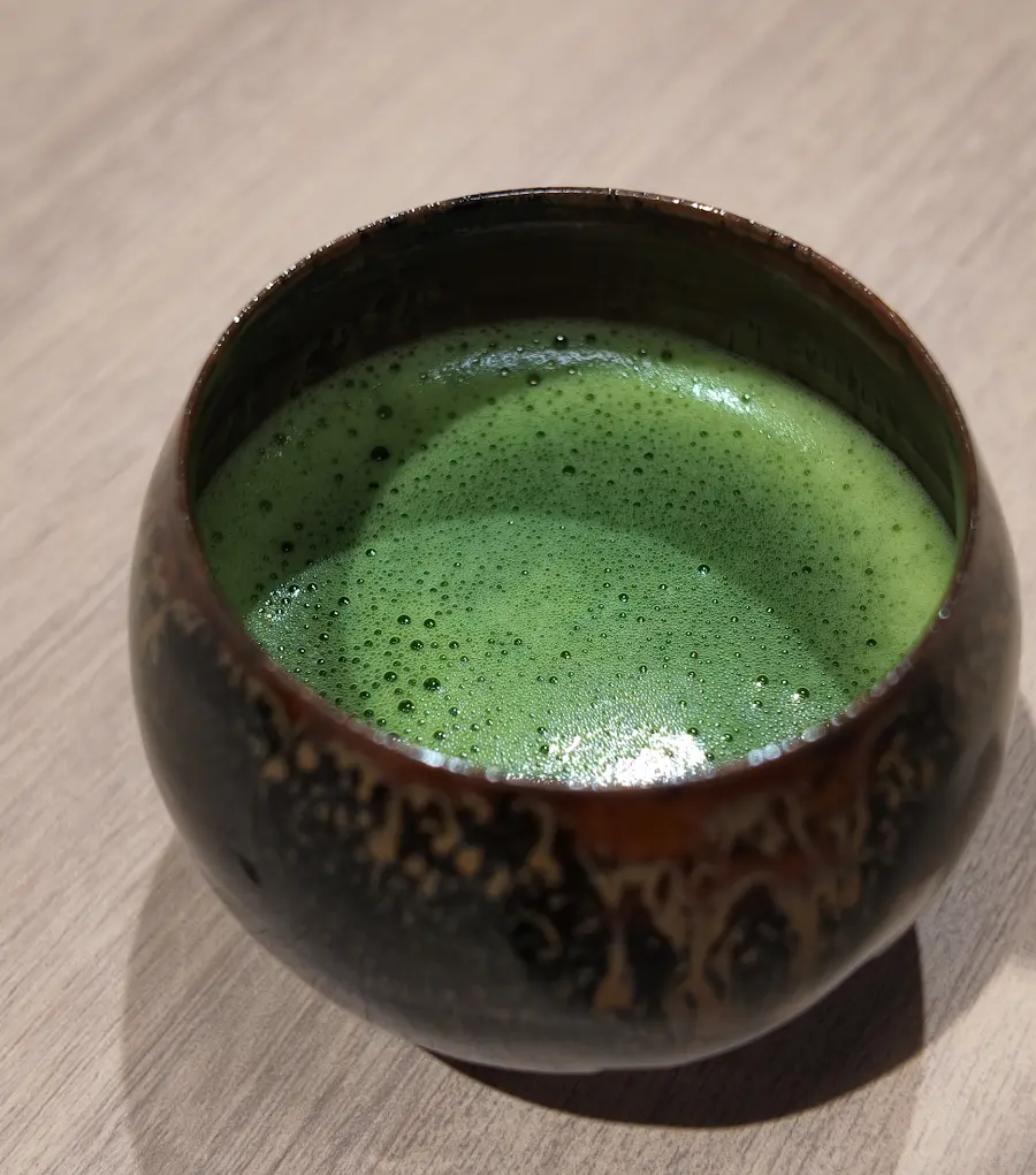
Usucha, whisked to a fine surface foam — lighter in body and more relaxed in spirit than koicha.
Summary: Koicha vs Usucha
The distinction between koicha and usucha transcends mere concentration differences. It represents a uniquely Japanese cultural classification nurtured within Kyoto's traditional tea ceremony culture, reflecting the formality and spirituality of warrior society.
As the most important form of hospitality in tea ceremony, koicha embodies the essence of tea culture through high-quality tea leaves, prestigious utensils, and spiritual communion in silence.
📩 Contact us: Request a sample or get in touch with our team
About the author
Mizuki Yasuda
Founder & CEO of RIKYU MATCHA COMPANY and FRIENDS CORP.
Mizuki grew up on a flower farm in Fukuoka, studied agriculture at Meiji University, and has spent his career between farms and finance. He sources matcha directly from producers in Uji, Nishio, Yame, Shizuoka and Kagoshima and supplies cafés and matcha brands in more than 10 countries.