Notes from the First International Matcha Congress: Matcha Is Following Coffee's Path
15 November, 2026
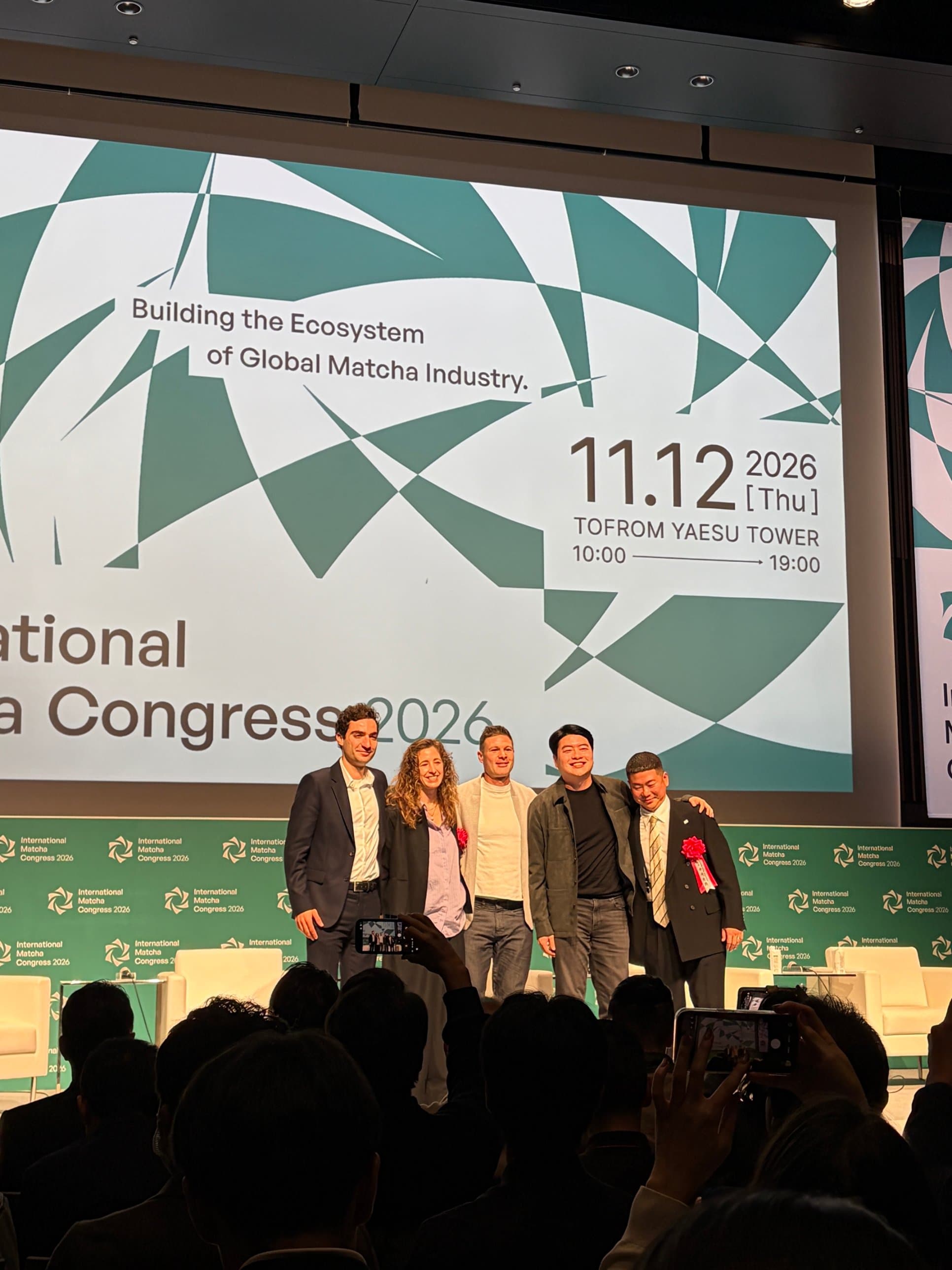
On November 12, 2026, I attended the first International Matcha Congress at TOFROM YAESU TOWER in Tokyo as the representative of RIKYU MATCHA. More than 1,200 people took part, and the energy was hard to miss: producers, tea companies, café operators and researchers from around the world, all in one building and all talking about matcha.
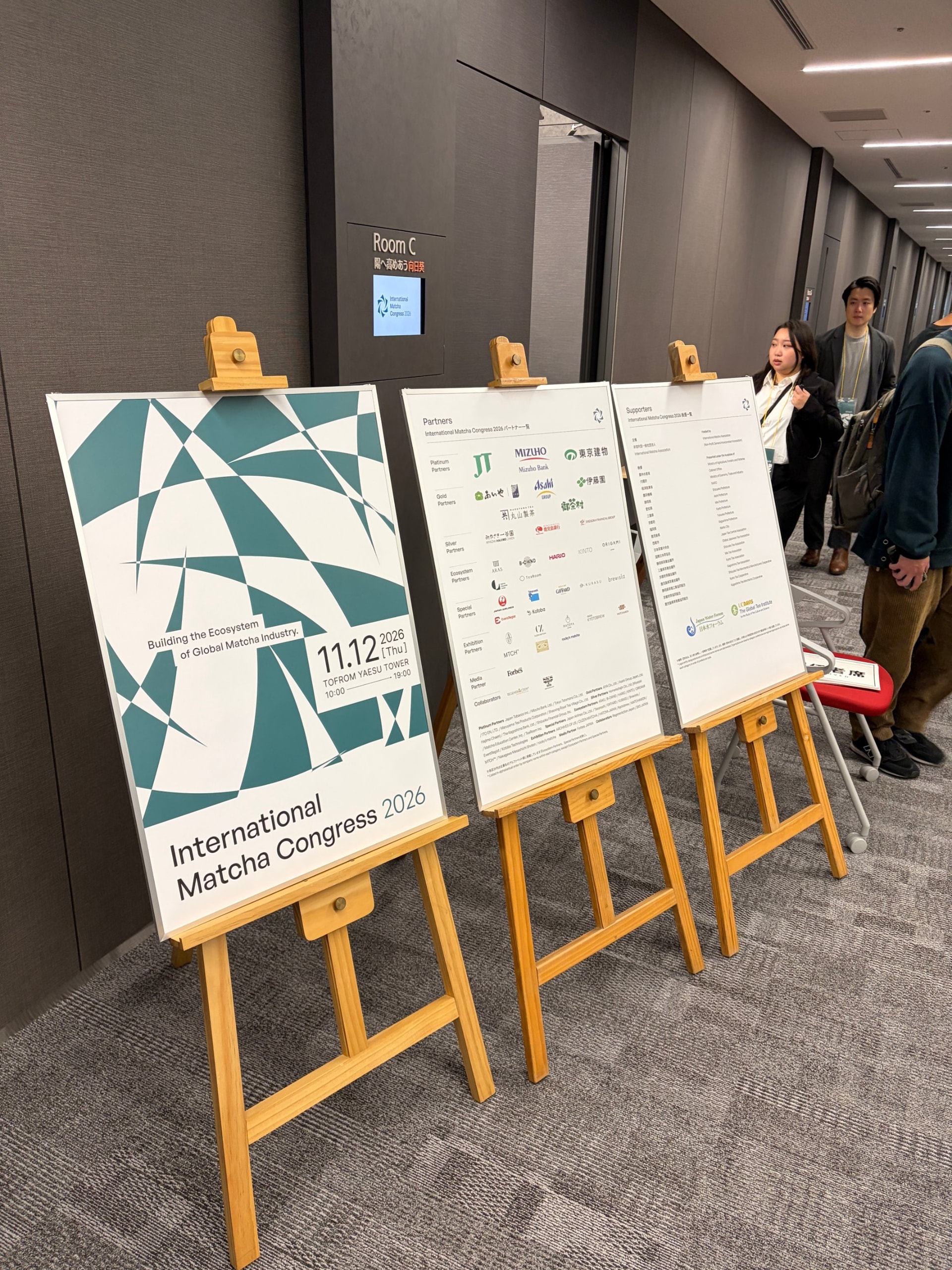
The entrance to International Matcha Congress 2026 at TOFROM YAESU TOWER, Tokyo.
The session that stayed with me: the future of matcha from the café industry
The discussion I found most compelling was "The Future of Matcha from the Café Industry Perspective." On stage were five people who serve matcha to customers every day:
Sungho "Hayden" Hwang, Co-founder & CEO, SUPER MATCHA
Issam Freiha, Co-Founder & CEO, Blank Street
Jon Allen, Co-founder, Onyx Coffee Lab
Jessica Worden, Head of Coffee, GAIL's Bakery
Hide Izaki, CEO, BrewPeace Inc.
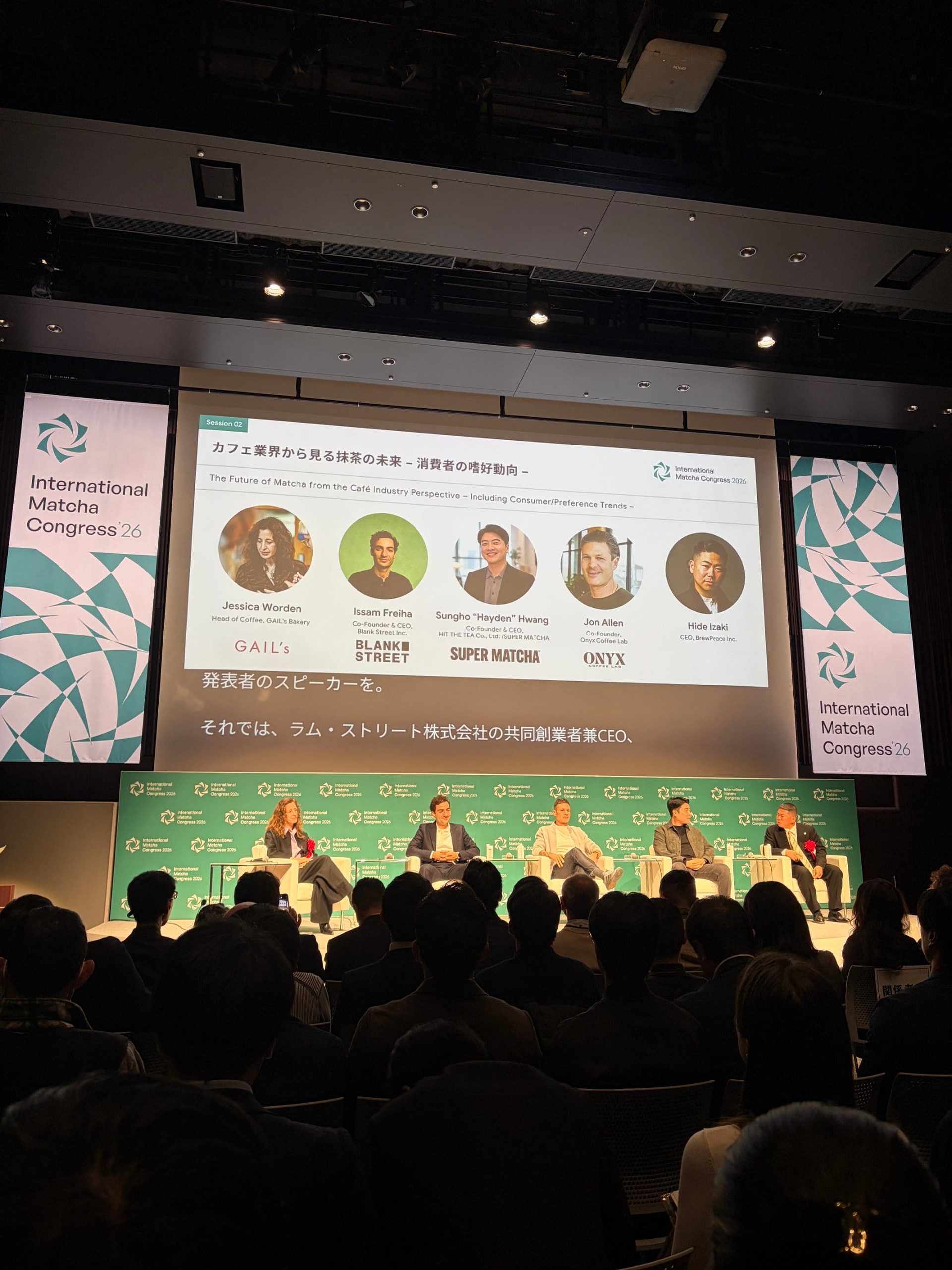
Session 02, "The Future of Matcha from the Café Industry Perspective," on the main stage.
How is matcha following coffee's path?
Watching matcha over the past few years, I keep seeing the same curve coffee went through. The panel put words to it.
Coffee first went mainstream through lattes and sweet caramel macchiatos. The focus on origin and craft came later.
Matcha is still at the entrance. Sweet, strongly flavored drinks are what most people reach for today.
From here, I believe drinkers will move toward matcha chosen for its own character, just as coffee drinkers did.
Where does matcha differ from coffee?
The panel was just as clear about what is not the same.
Coffee is a morning drink, and people often come for it alone.
Matcha is an afternoon drink. People come with friends and enjoy it almost like a dessert.
In the UK, younger Gen Z customers are meeting at a café over matcha instead of going to the pub.
What is “green innovation” for the café industry?
One phrase from the session has stayed with me: green innovation for the café industry.
Developing and adding a new recipe has always been heavy work for a café.
Matcha arrived as a new culture with its own tools, and the barrier to creating specialty beverages dropped sharply.
I think that is a real innovation. Matcha is more than one extra line on the menu. It gives a café a new starting point for developing drinks.
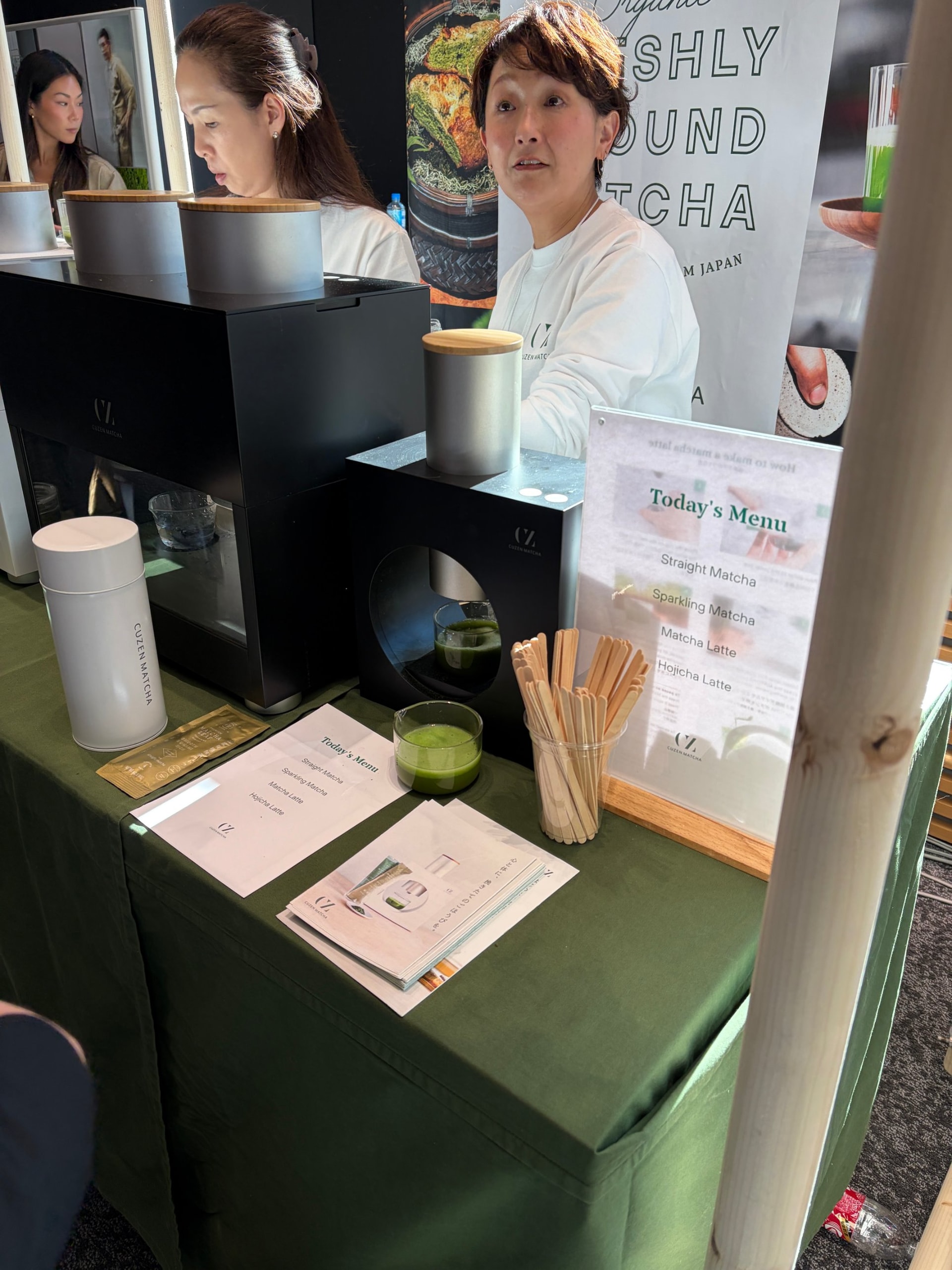
The CUZEN MATCHA exhibitor booth, serving matcha and hojicha drinks to attendees.
The challenge ahead: a shared understanding of quality
The open question is quality.
The word "matcha" now covers a very wide range of products.
The industry needs a common, worldwide understanding of what matcha quality means.
I agreed with every part of this discussion.
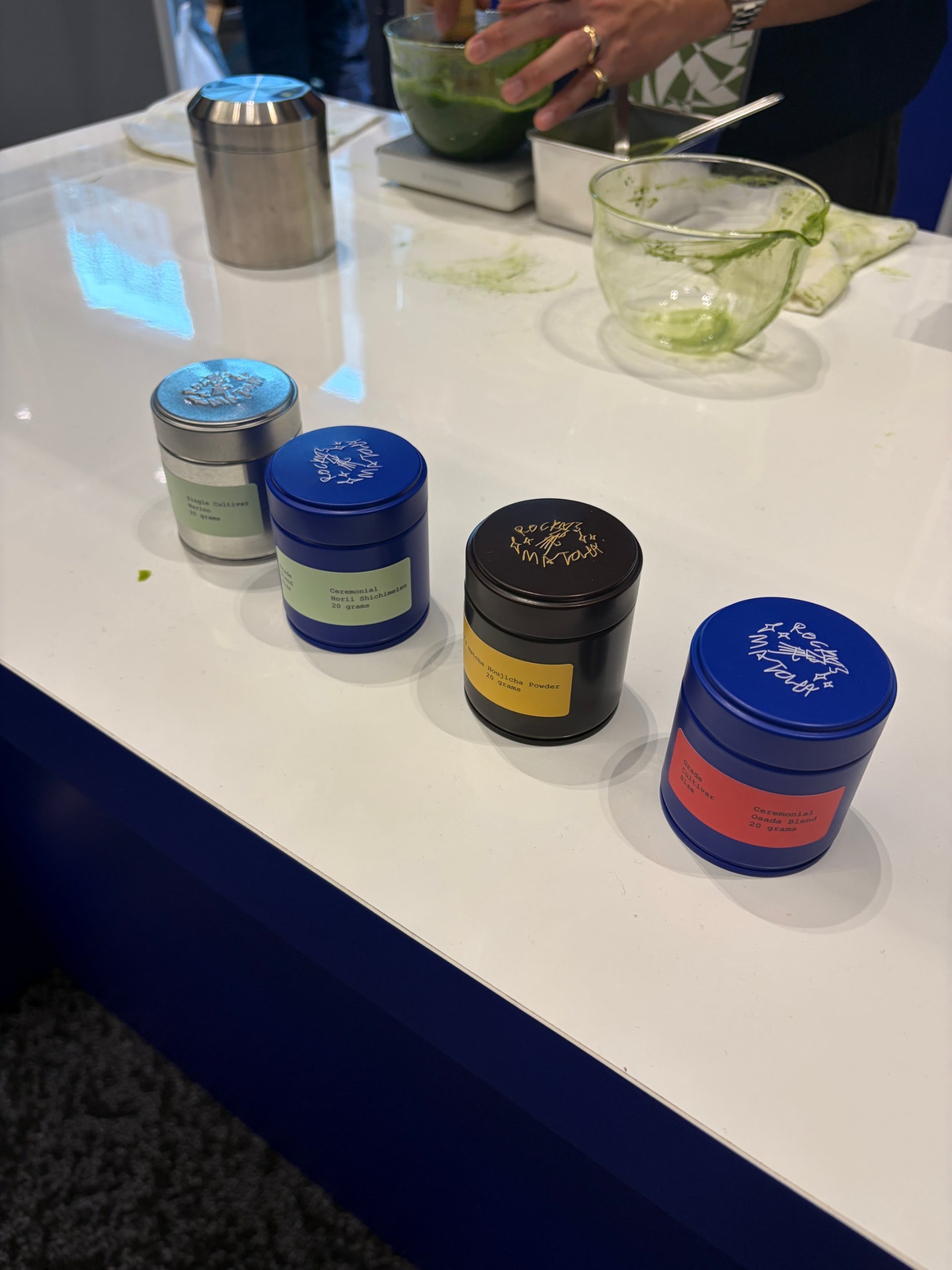
Matcha tins and a tasting in progress at the Rocky's Matcha exhibitor booth.
What this means for RIKYU MATCHA
I left the congress more certain about our own direction. At RIKYU MATCHA, we will stay uncompromising about the quality of the matcha we supply. As cafés and their customers move from the entrance phase toward matcha chosen for its quality, we want to be the partner in Japan who helps them get there.
If you are building or refining a matcha menu, we would be glad to talk.
About the author
Mizuki Yasuda
Founder & CEO of RIKYU MATCHA COMPANY and FRIENDS CORP.
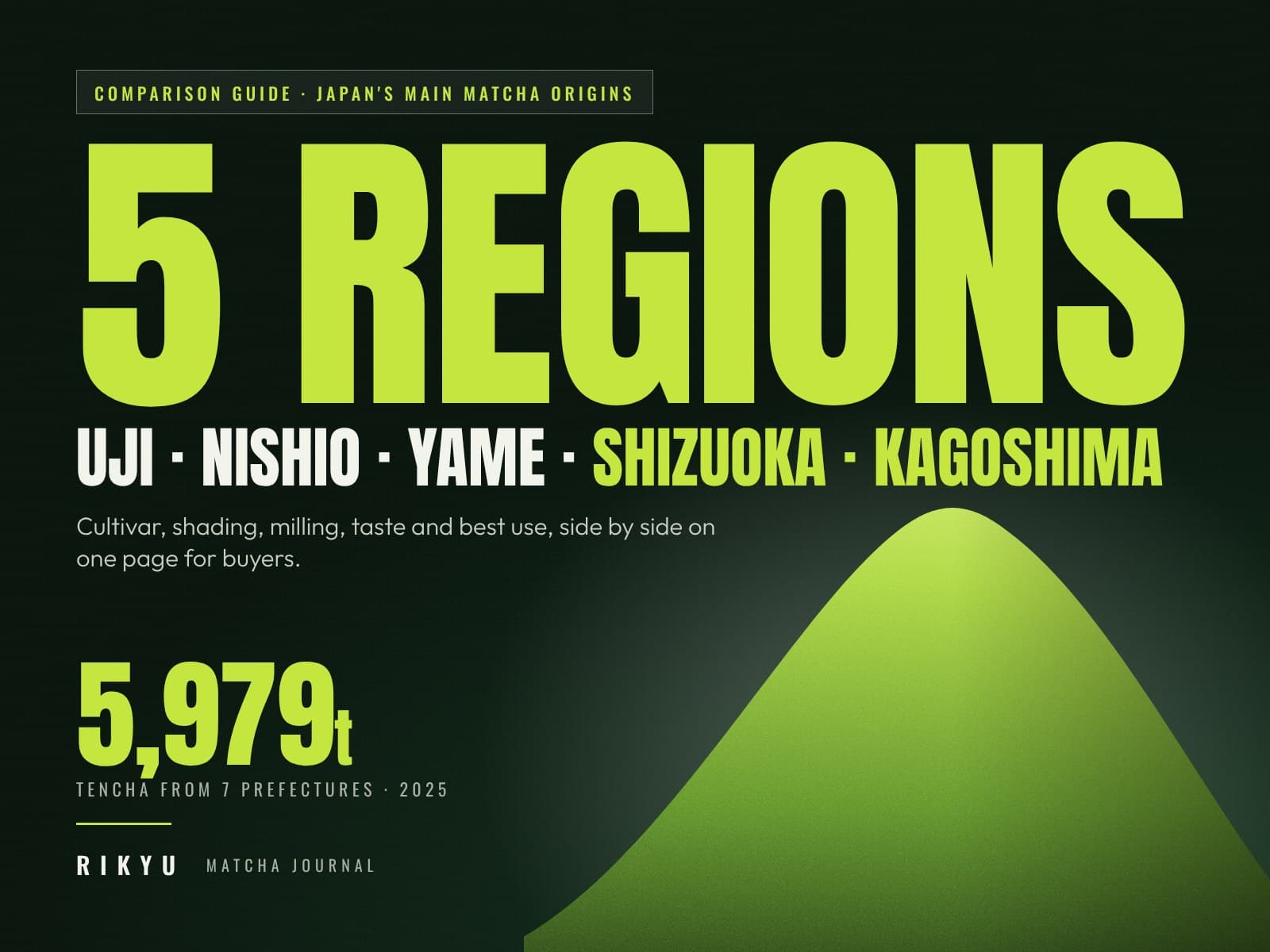
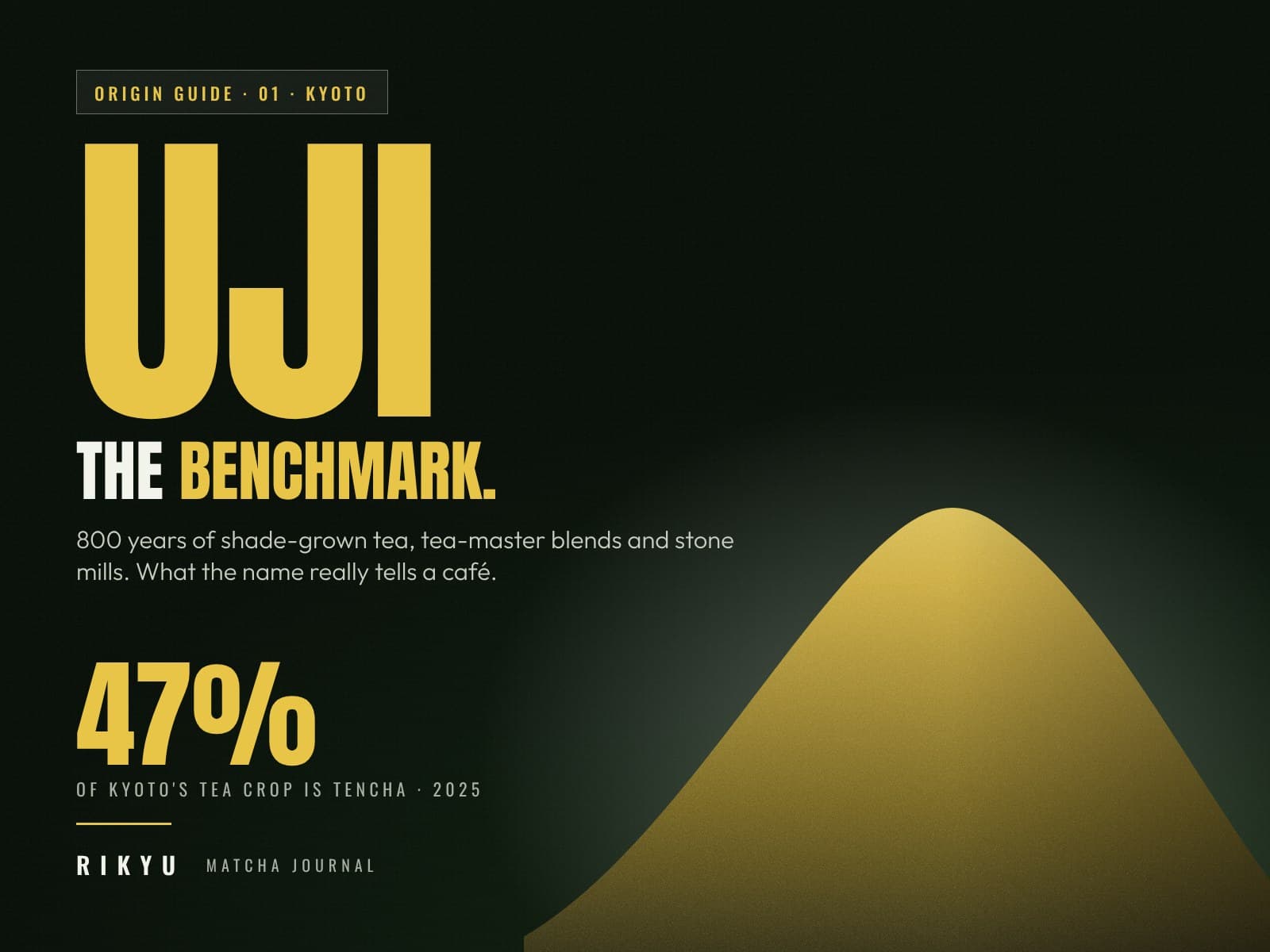
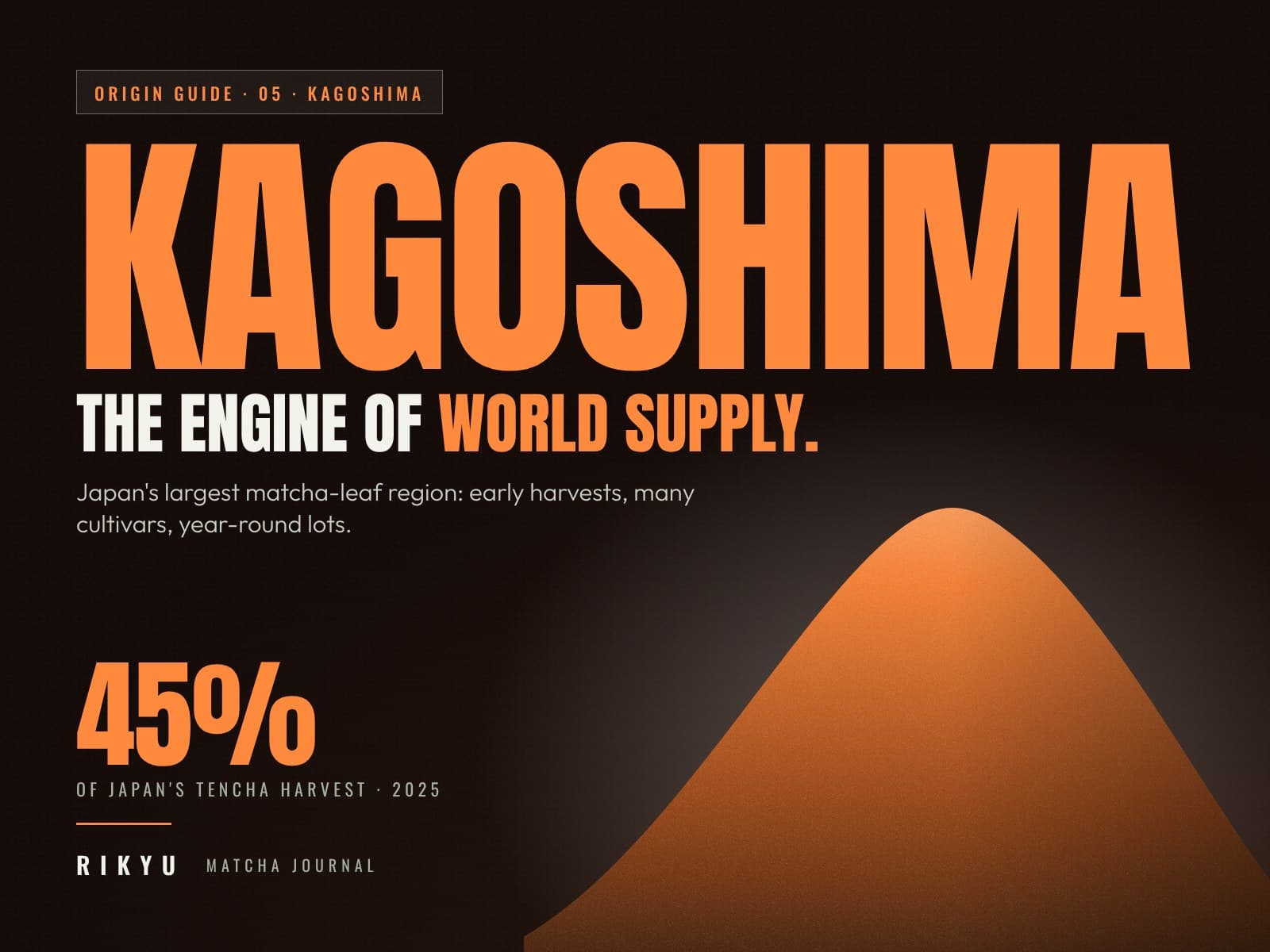
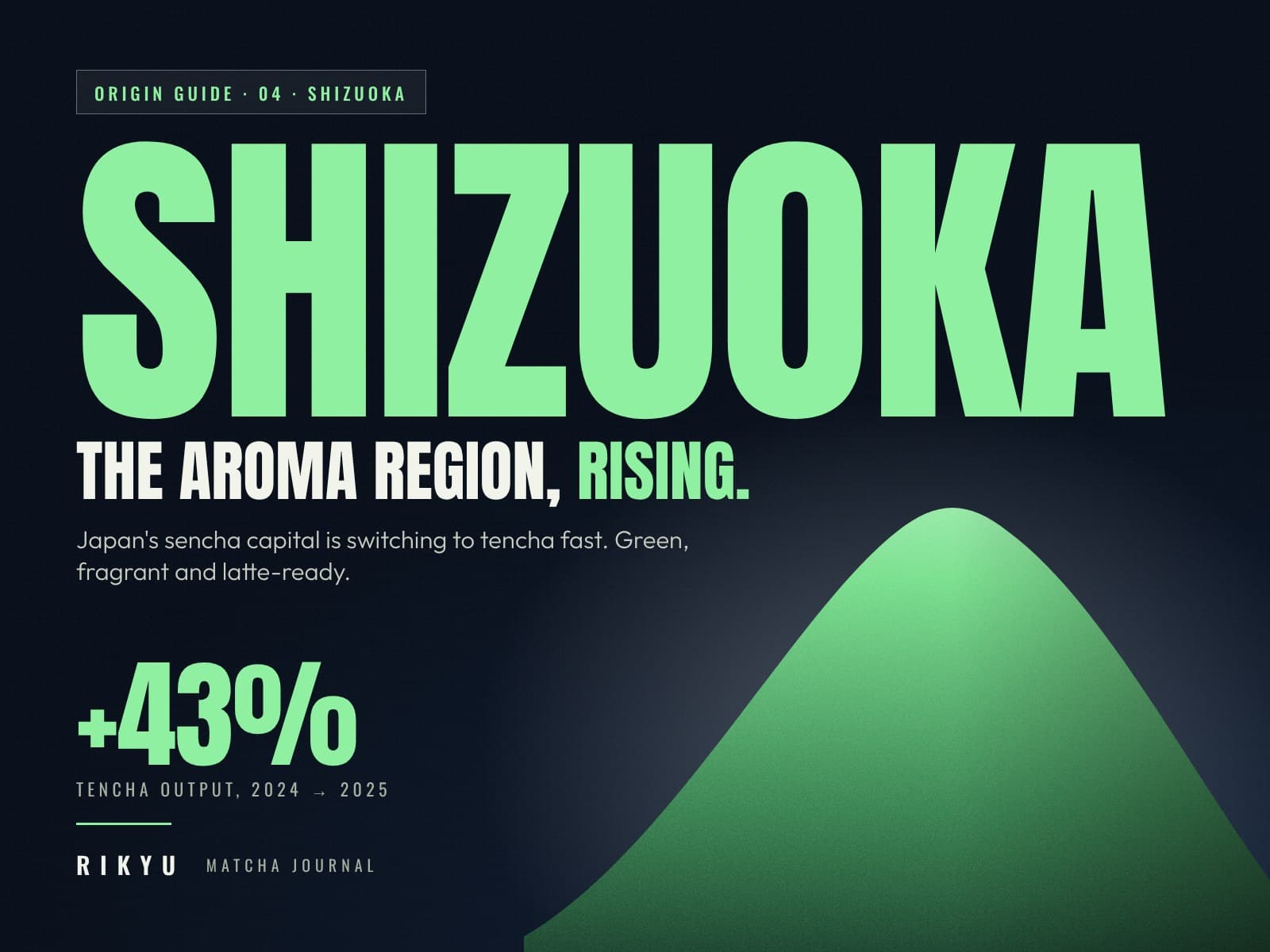
Mizuki grew up on a flower farm in Fukuoka, studied agriculture at Meiji University, and has spent his career between farms and finance. He sources matcha directly from producers in Uji, Nishio, Yame, Shizuoka and Kagoshima and supplies cafés and matcha brands in more than 10 countries.