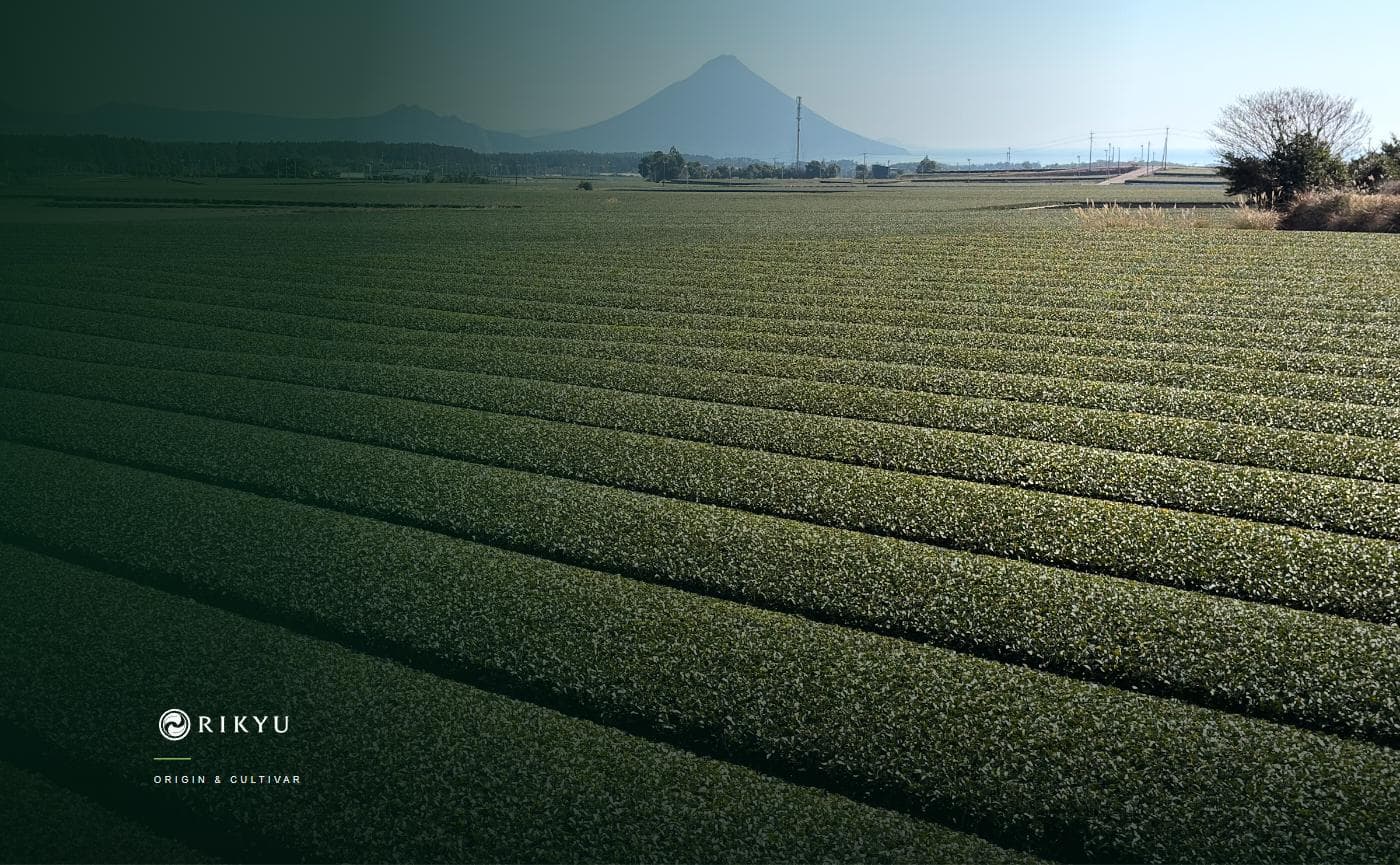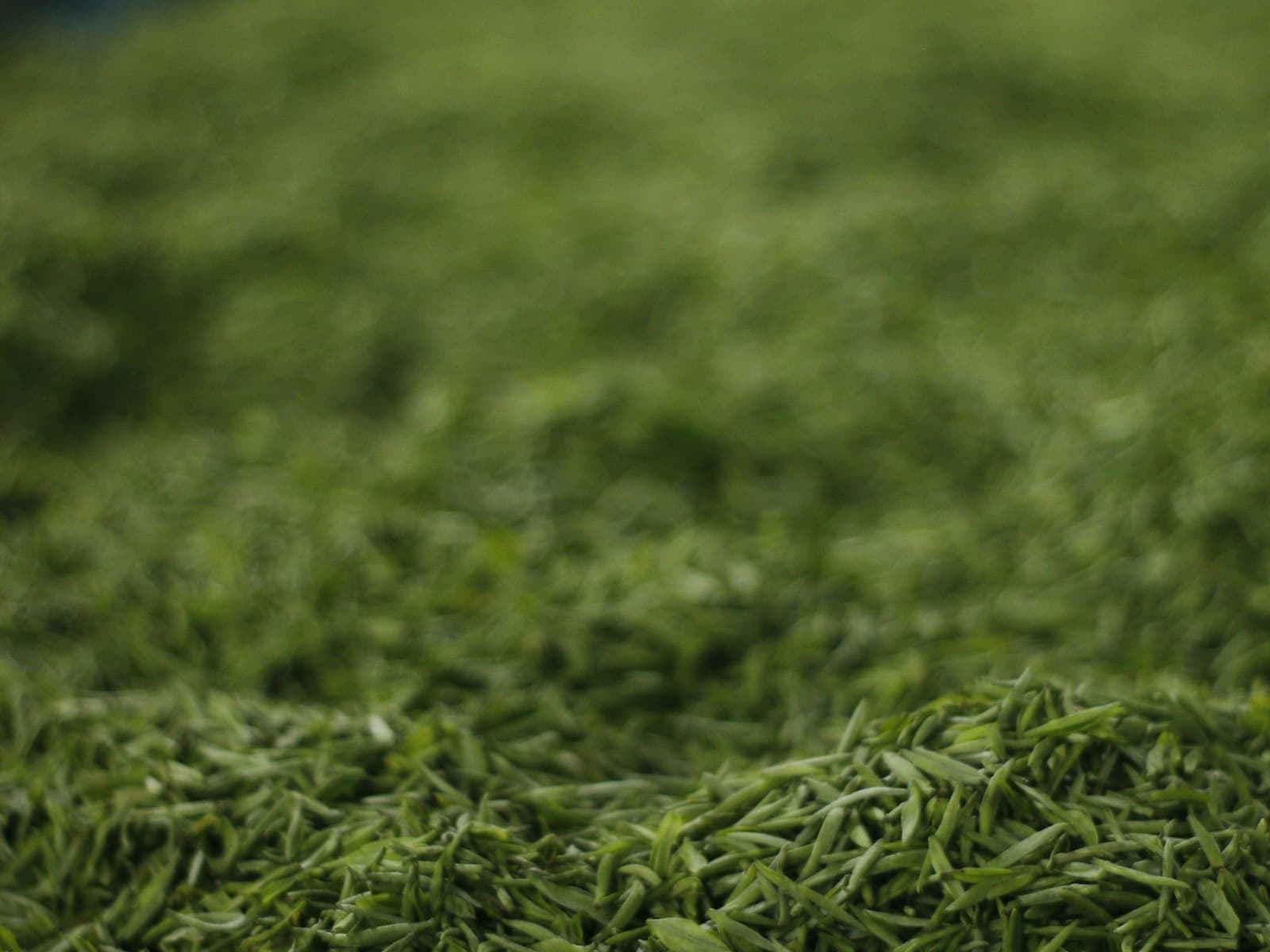
Matcha, gyokuro, sencha, hojicha and genmaicha all come from one plant, Camellia sinensis. Green, oolong and black tea differ only in how much the leaves are allowed to oxidize. Japanese green tea then splits into two families: teas grown under shade (tencha for matcha, gyokuro, kabusecha) and teas grown in open sunlight (sencha, bancha, hojicha, genmaicha). Matcha belongs to the first family; hojicha to the second.
"Are matcha, hojicha and sencha really all the same plant?" Yes — and the interesting part is how one plant becomes so many different drinks. Part four of Learning Ujicha draws the family tree.
What Is the First Fork in the Tree?
All tea in the world is classified first by processing. Heat the picked leaves right away to stop oxidation and you get green tea. Let them oxidize partway and you get oolong. Let them oxidize fully and you get black tea. The raw material is the same evergreen camellia every time; cultivars differ in their level of astringent catechins, so each type of tea uses the varieties best suited to it.
Almost all Japanese tea is green tea, and the heat that stops oxidation comes from steam. This is the single biggest difference from Chinese green teas, which are typically pan-fired.
How Does Japanese Green Tea Branch Out?
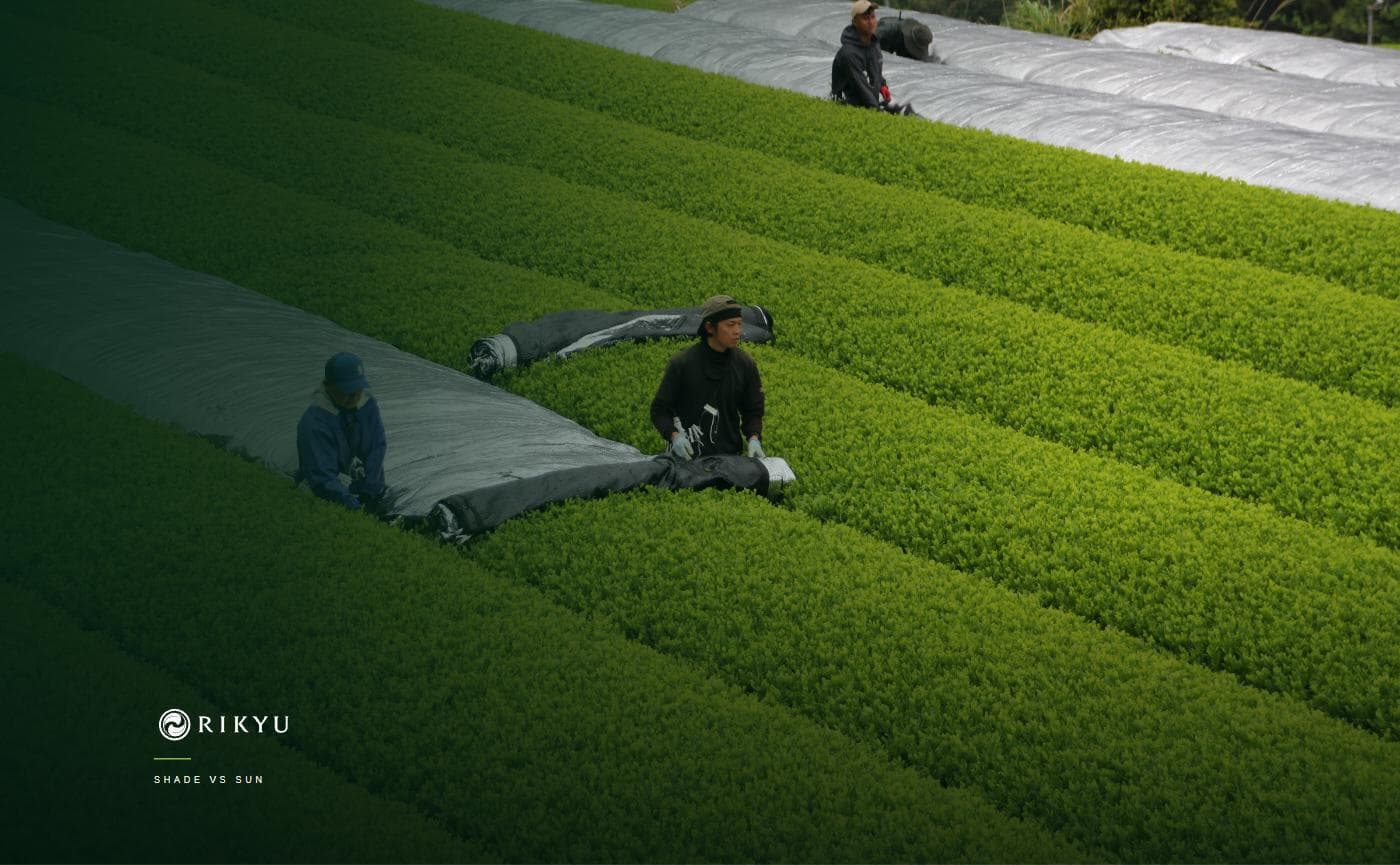
Grown under shade (covered gardens — oishitaen):
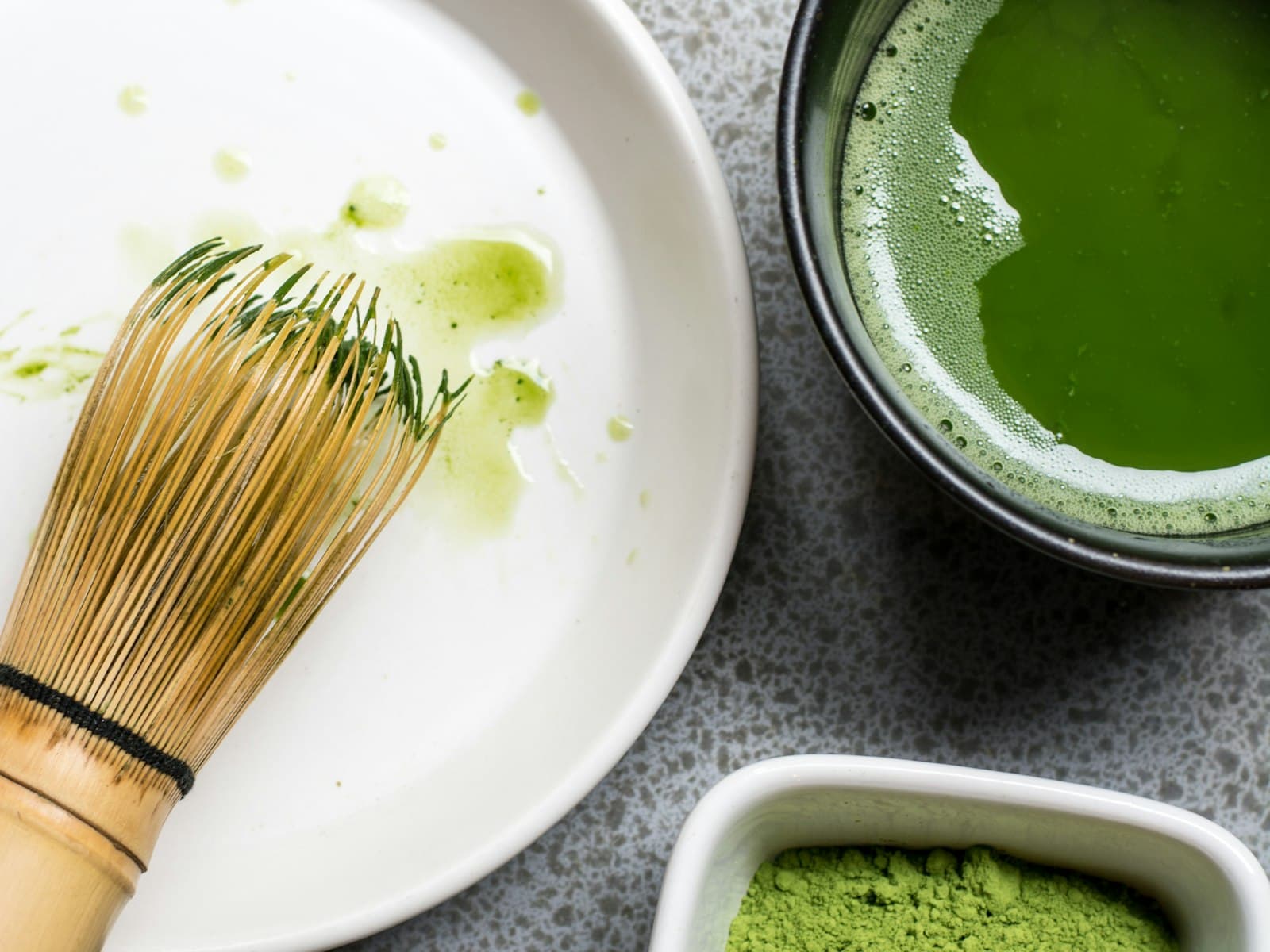
Tencha — steamed and dried without kneading. Stone-ground, it becomes matcha.
Gyokuro — shaded for 20 days or more, steamed and kneaded. Deep, rich umami.
Kabusecha — shaded for a shorter period. Sits between the freshness of sencha and the richness of gyokuro.
Grown in open sunlight (uncovered gardens — rotenen):
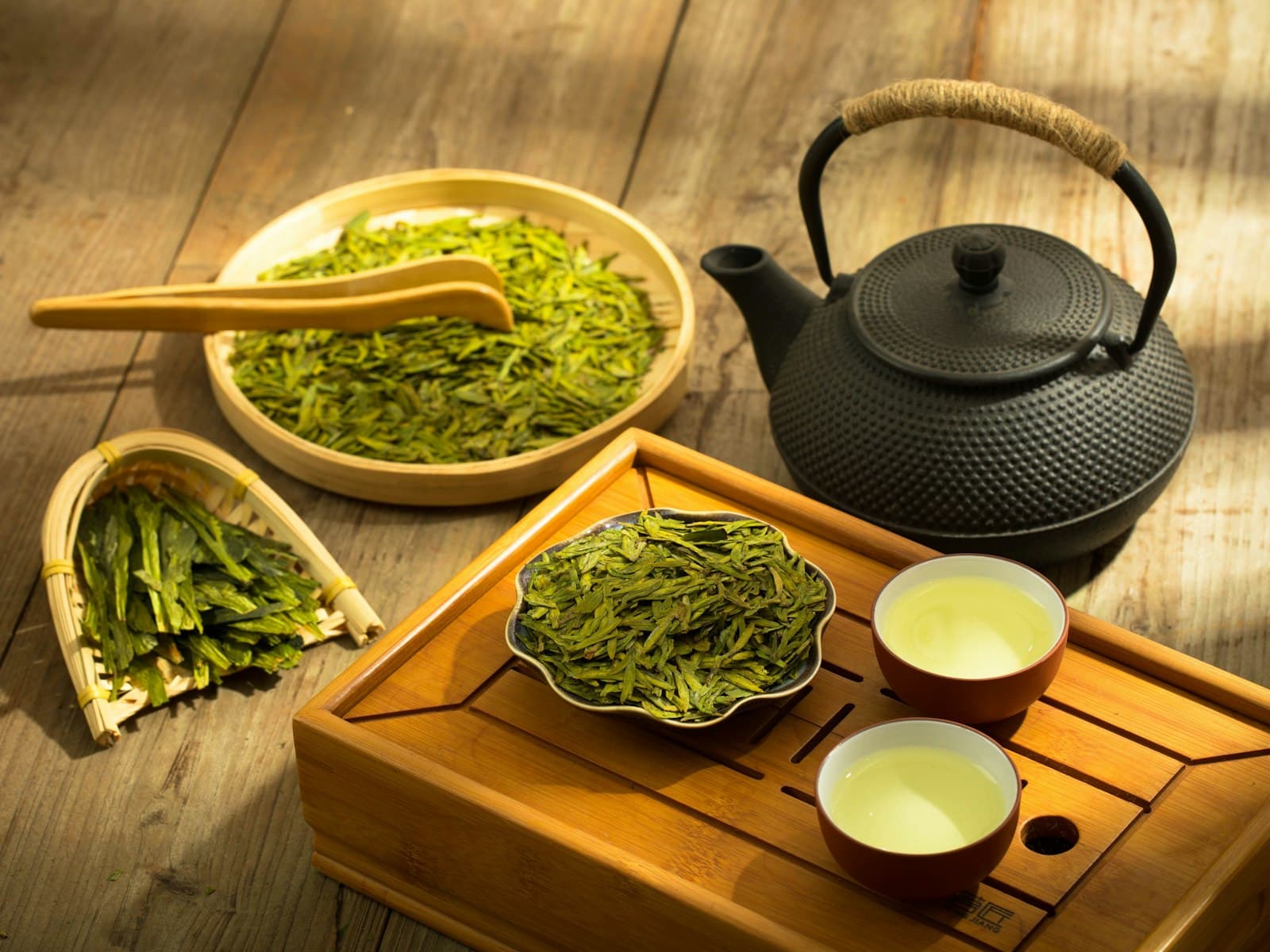
Sencha — the most widely drunk tea in Japan. Fresh aroma, refined astringency.
Kawayanagi / bancha — made from larger, thicker leaves or later pickings. Light in flavor.
Hojicha — sencha or bancha roasted for a toasty aroma.
Genmaicha — sencha or bancha blended with roasted brown rice.
Kyobancha — leaves picked after the first harvest, steamed, roasted without kneading. A distinctive, almost smoky character unique to Kyoto.
Shade or sun — that single decision divides Japanese green tea into two flavor philosophies. Shading suppresses astringency and preserves umami (we cover the mechanism in our article on shade and theanine). Full sun gives a bright, sun-drenched aroma and a clean astringency.
Why Are Matcha and Hojicha "Different Families"?
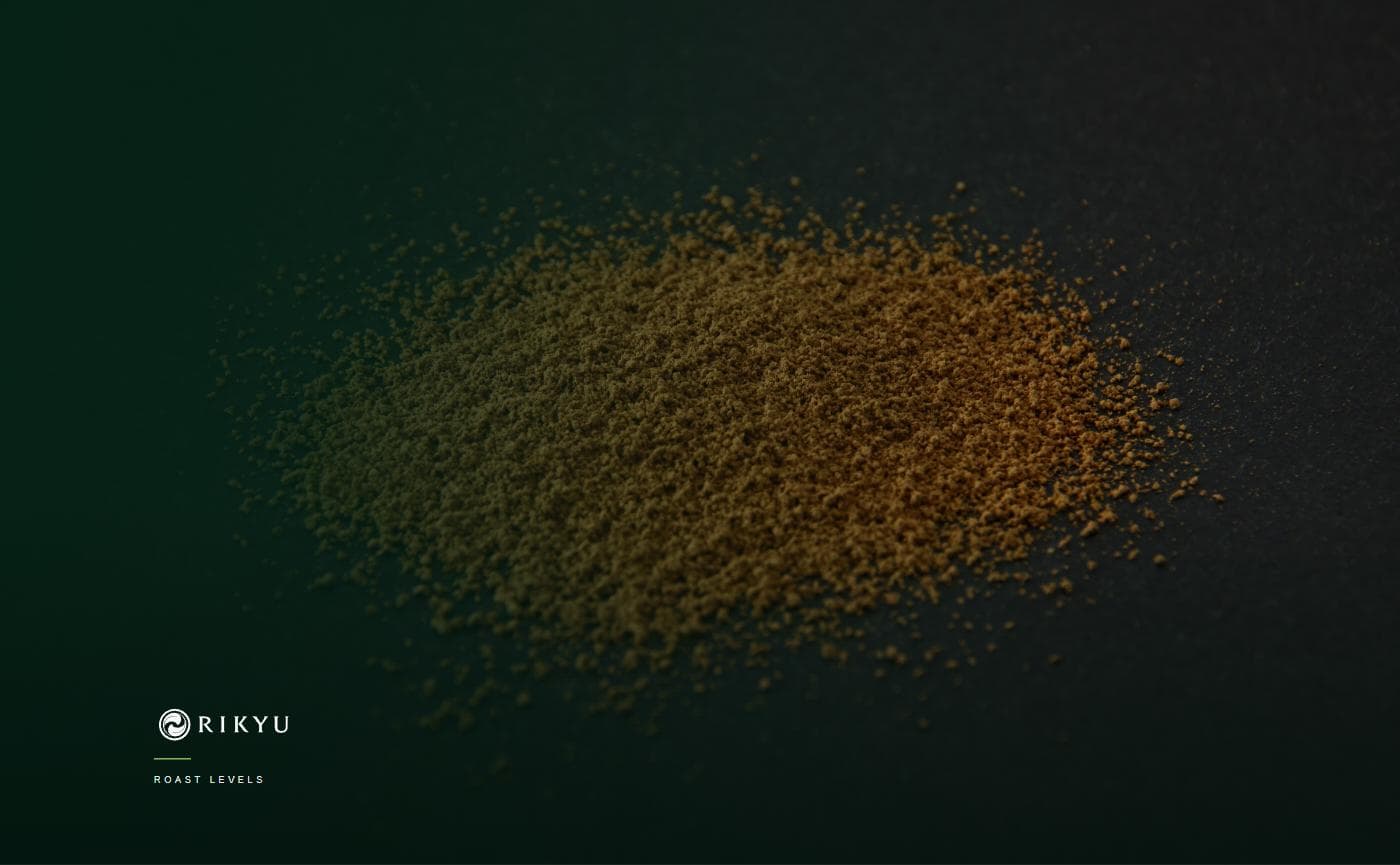
In our own range, matcha such as the SR series and AYA belongs to the shaded family, while a roasted powder such as KSHOJ (Rikyu Brown) belongs to the roasted lineage. Roasted powders made from matcha-grade tencha do exist, but a typical hojicha is roasted sencha or bancha from open-air gardens. Different family means different cultivation, different processing and a different idea of flavor. When you serve both on one menu, being able to say "same plant, different family" makes the menu itself more convincing.
Ask your supplier: "What is the base leaf of this hojicha (or roasted matcha) — sencha, bancha, or tencha?"
FAQ
If I grind gyokuro, do I get matcha?
No. Gyokuro is a kneaded tea; matcha is made only from tencha, which is never kneaded. Ground gyokuro is "gyokuro powder," not matcha.
Does "bancha" mean low-quality tea?
Not necessarily. Bancha simply refers to tea from later pickings or larger leaves, and some styles — like kyobancha — have a culture of their own.
Learning Ujicha, part 4 of 10. Next: Tencha, Gyokuro, Kabusecha — Three Shade-Grown Teas, Three Different Results.
Want to compare a shaded matcha and a roasted powder side by side? We're happy to send samples. 📩 Request a sample or get in touch with our team