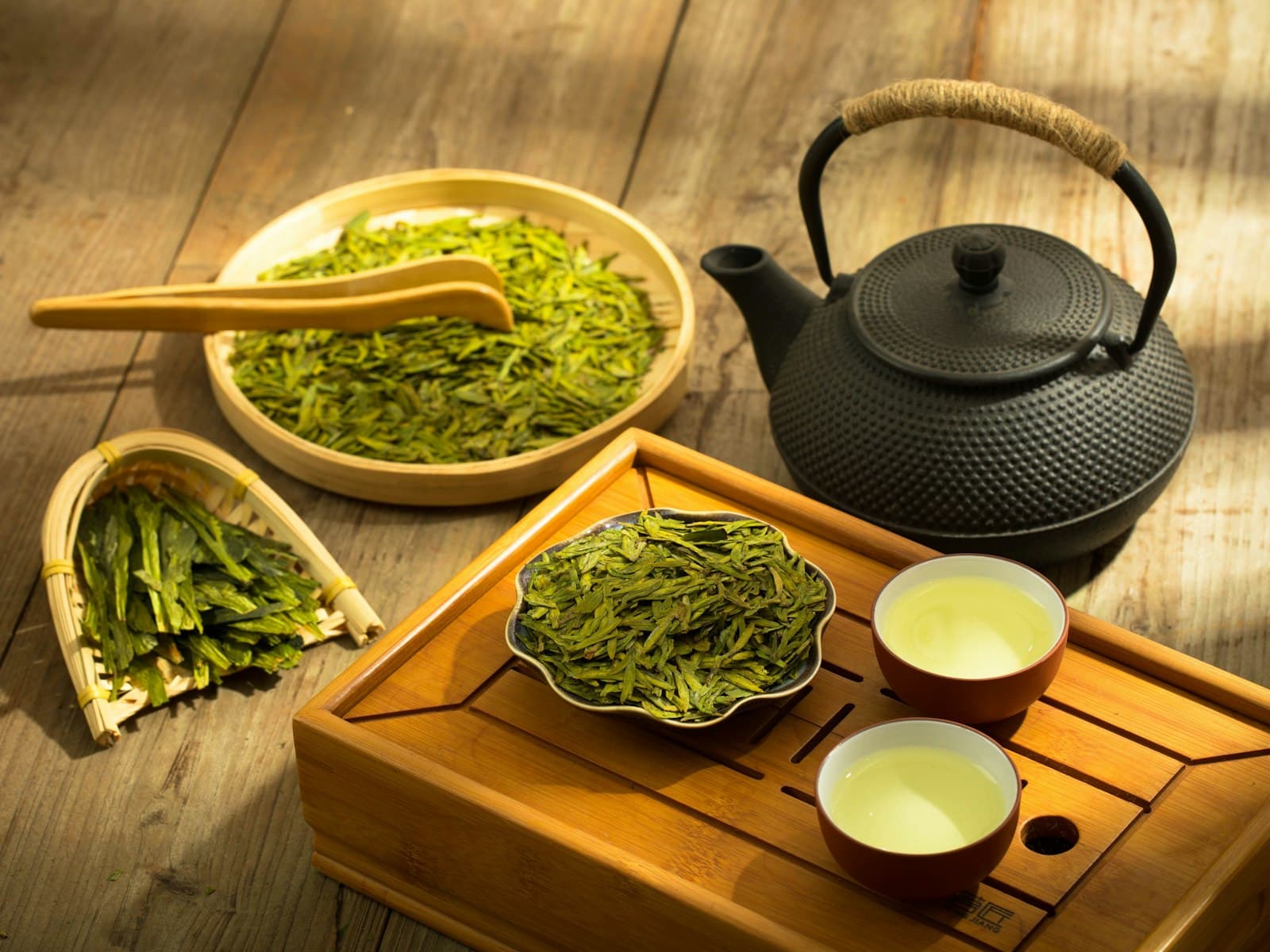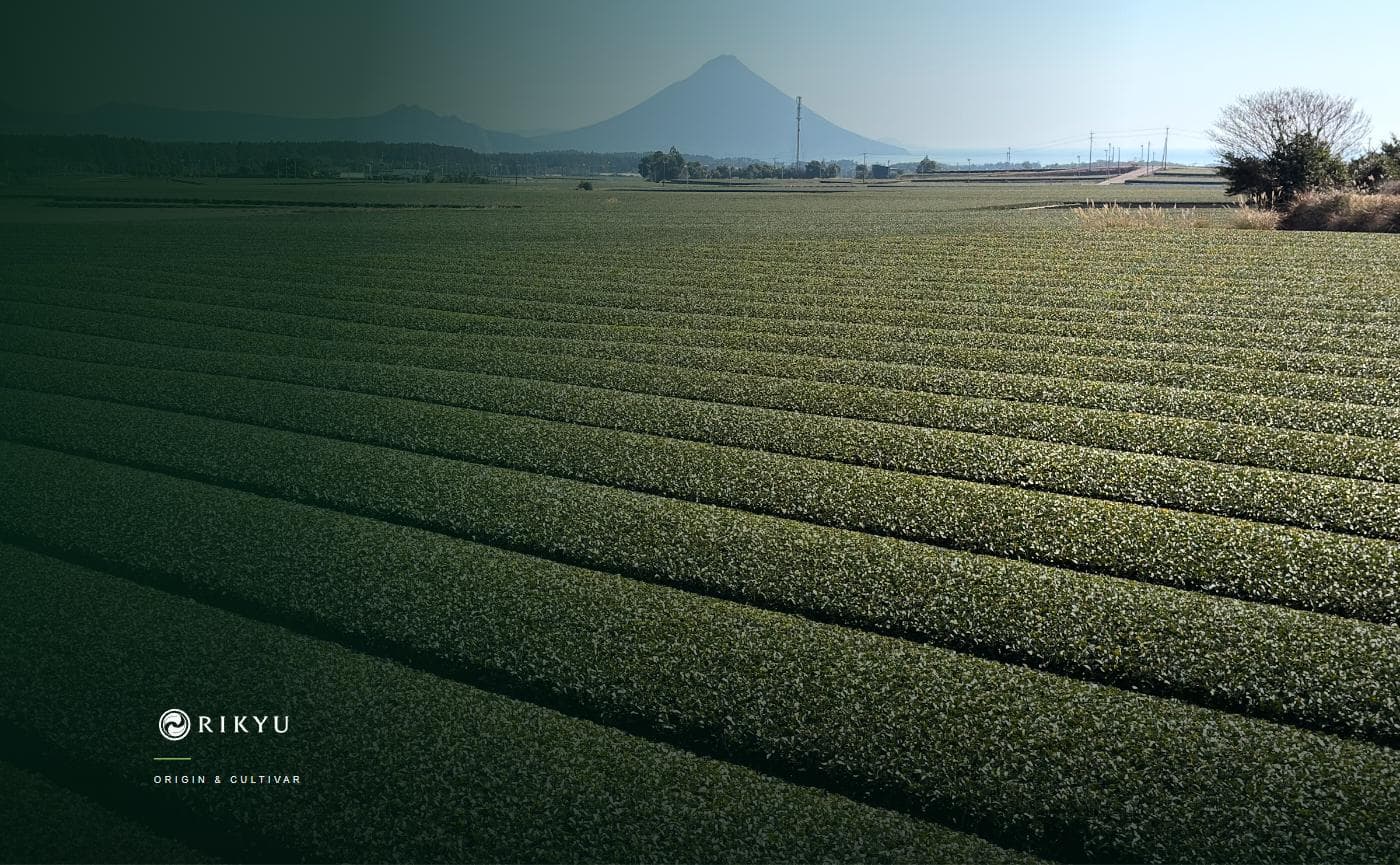
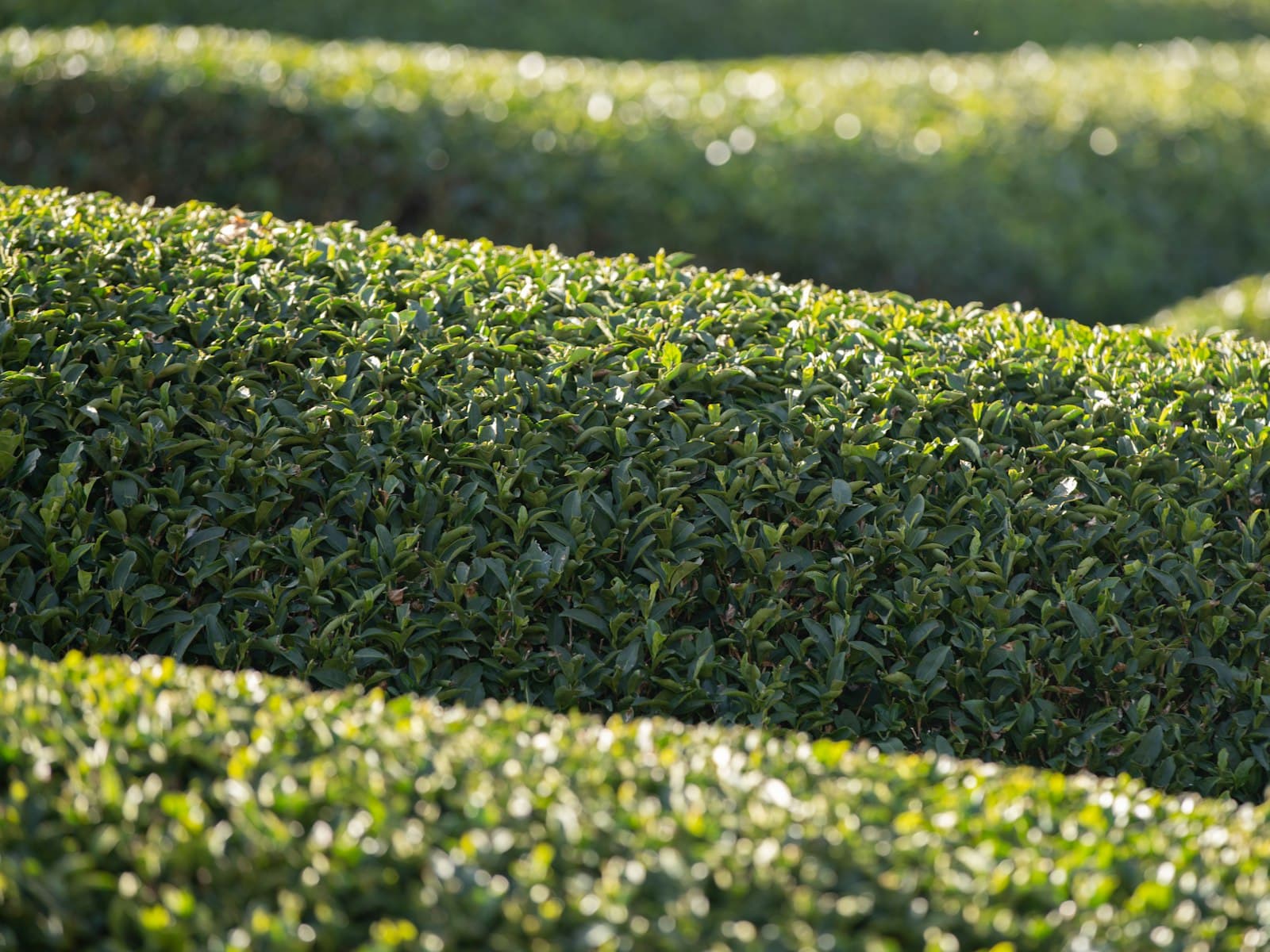
Tea bushes keep producing new buds after picking, so they are harvested two or three times a year: ichibancha (first flush) from late April to late May, nibancha (second flush) from late June to early July, and sanbancha (third flush) from mid-July to late August. In the Uji region, hand-picked tencha and gyokuro are made from first-flush leaves only, while sencha also uses the second flush and later.
"I see 'shincha' on labels in early summer — what does it mean?" Shincha is the first tea of the year, and understanding it opens up the whole harvest calendar. Part six of Learning Ujicha looks at when Uji picks, and what each picking is for.
What Is Shincha?
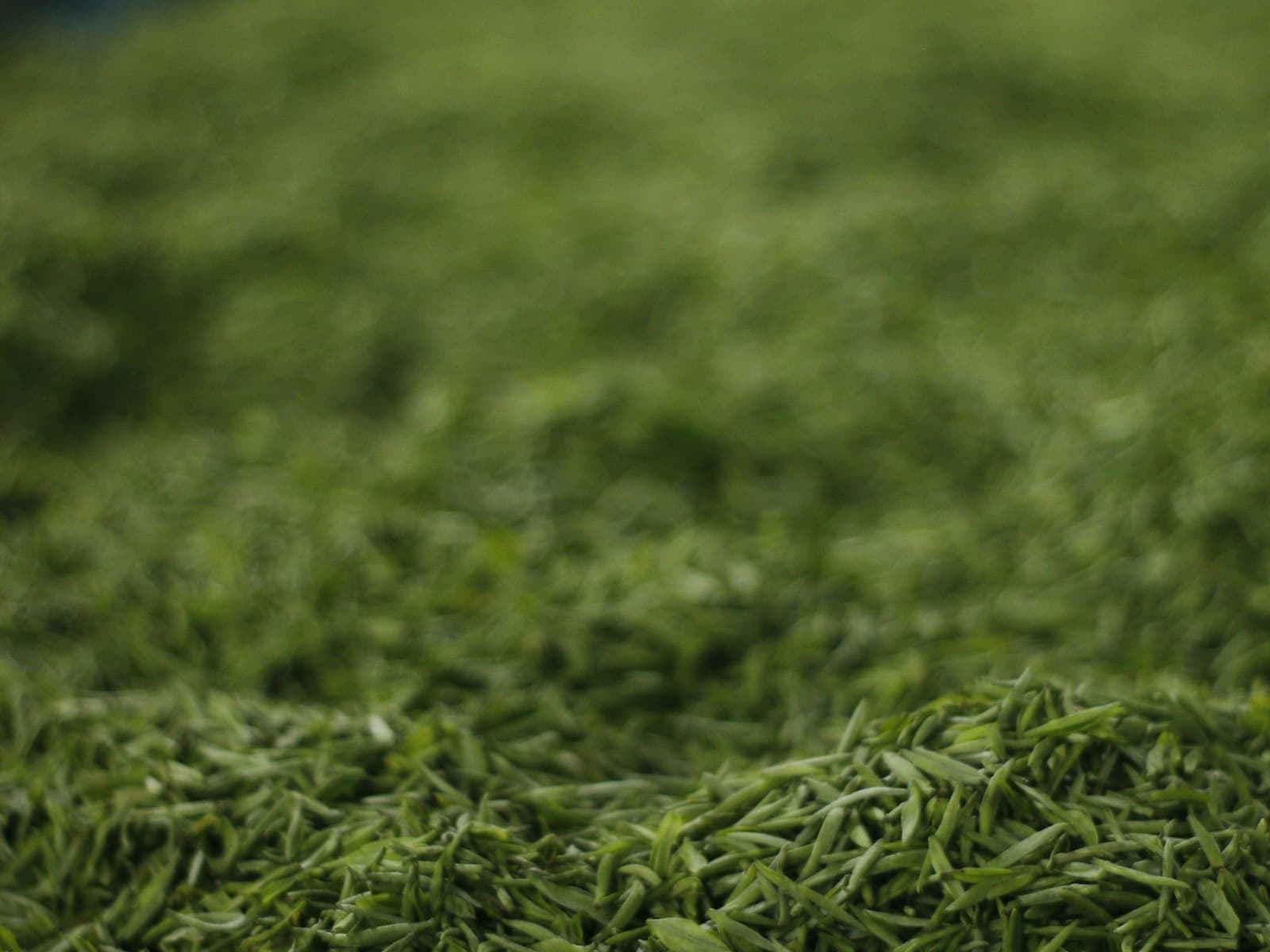
Shincha ("new tea") is made from the very first young buds picked that year. It is also called ichibancha, the first flush. Tea is a natural, seasonal product, and its taste changes with the time of picking. First-flush buds emerge carrying all the nutrients the plant stored in its roots over winter, so they are the richest in umami and the most delicate in aroma.
How Many Times a Year Is Tea Picked?
Ichibancha (first flush) — late April to late May. Richest in umami and aroma; the raw material for the finest teas.
Nibancha (second flush) — late June to early July. Faster growth, somewhat stronger astringency.
Sanbancha (third flush) — mid-July to late August. Firmer leaves, lighter flavor.
Because new buds keep coming, the same bush can be picked two or three times. But with each round, strong summer sun and rapid growth make the leaves harder and the umami thinner.
Which Picking Goes to Which Tea in Uji?
Uji follows a clear rule: hand-picked tencha and gyokuro are made from first-flush leaves only. Sencha also uses the second flush and beyond.
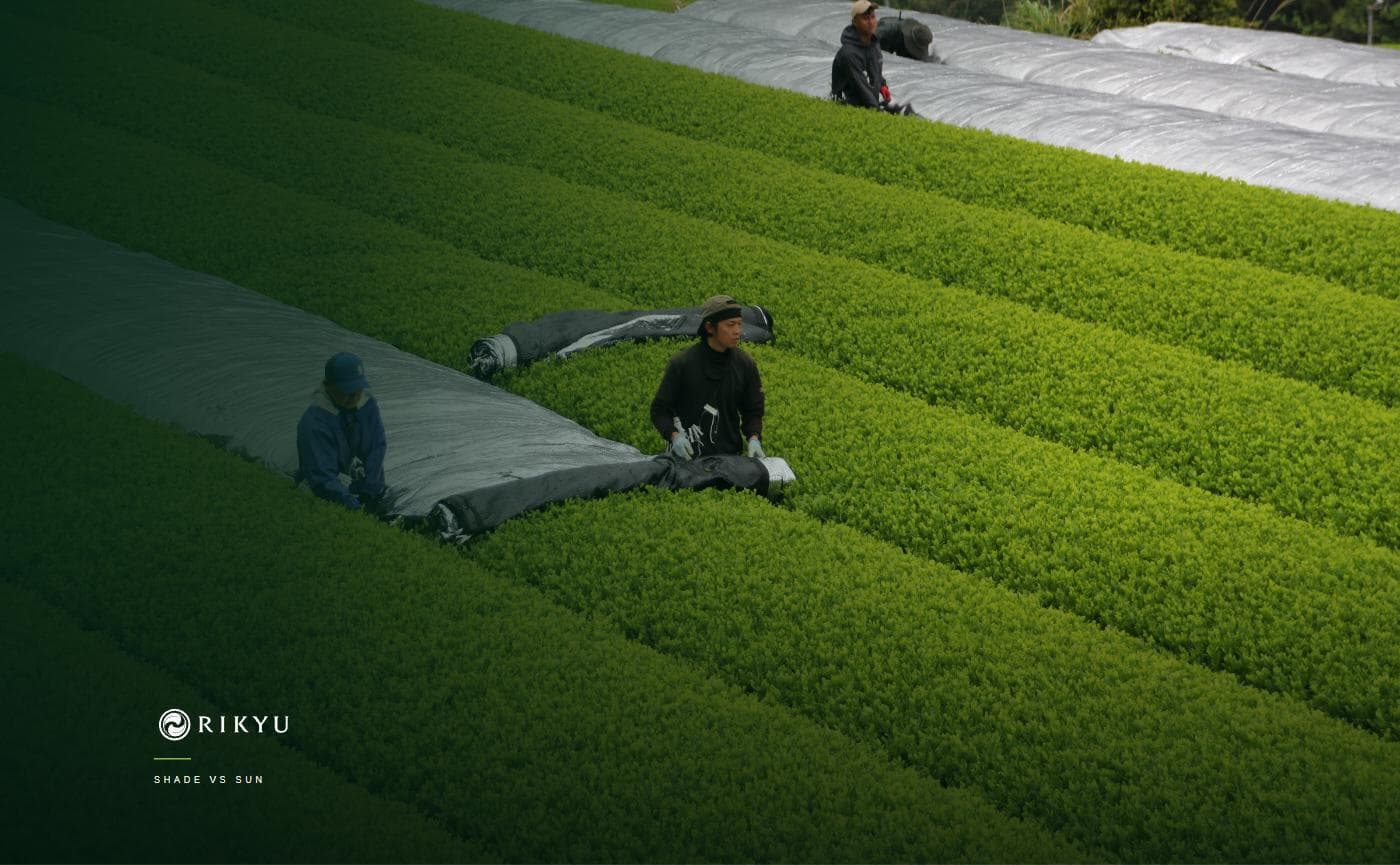
There are two reasons. The first is quality. Tencha and gyokuro are teas built to maximize umami, and that design only works with the nutrient-rich first flush. The second is the health of the plant. Shading restricts photosynthesis and puts the bush under strain. After the first flush is picked, the covers come off and the plant is allowed to recover for the following year — that is the basic philosophy of a high-quality tencha garden.
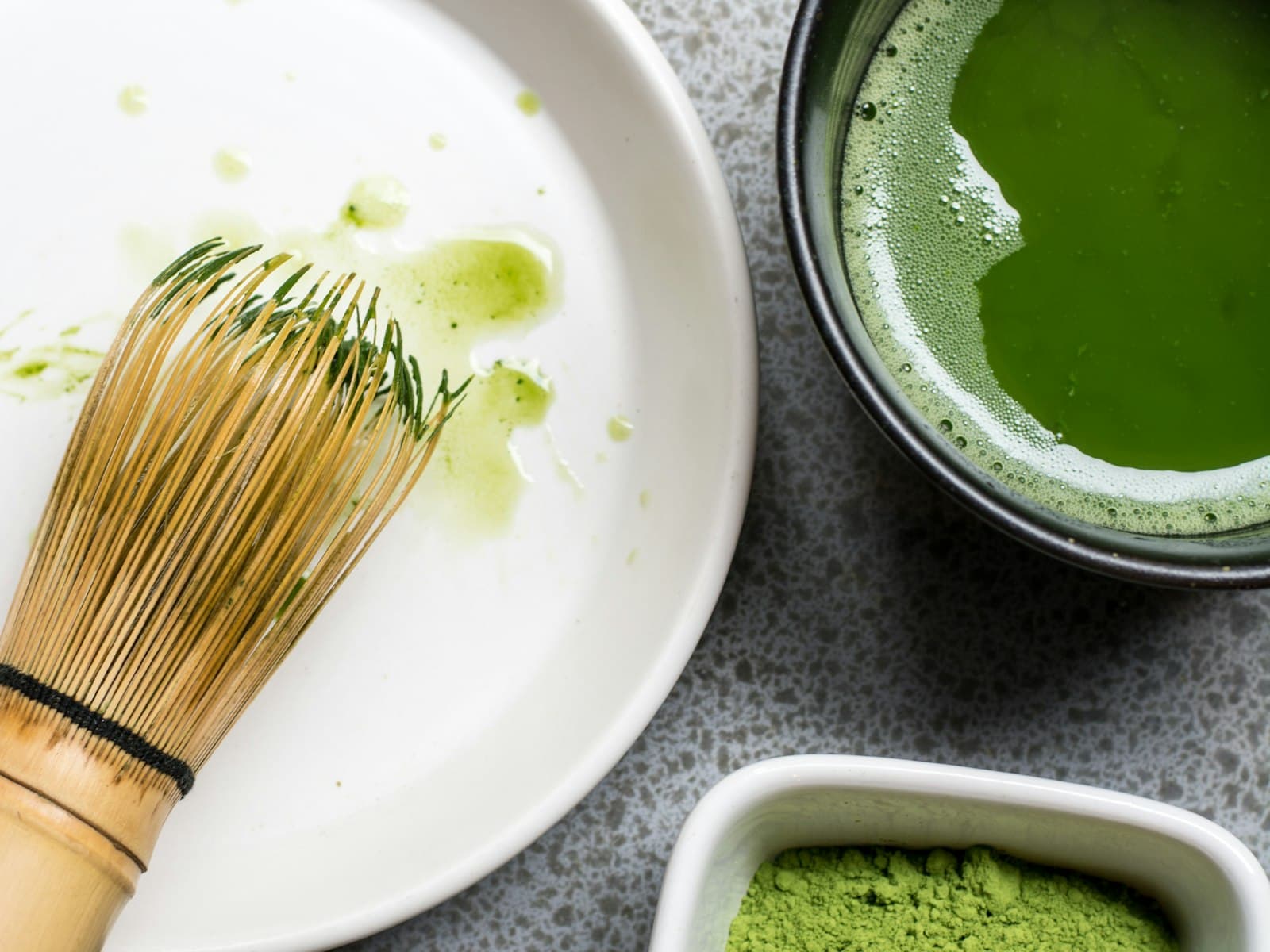
Second-flush matcha is widely sold in overseas markets and can be a sensible choice for lattes. But the mainstream of Uji tencha production is first flush, and "first flush or later?" is the first fork in the road when you read a price list. (For a general comparison that is not specific to Uji, see our article First Harvest vs Second Harvest Matcha.)
Ask your supplier: "Is this matcha first flush? Which month was it picked?" A supplier who can name the month is connected to the field.
FAQ
Is second-flush matcha "bad" matcha?
No. It has less umami than first flush, but its firmer flavor and lower price make it a rational choice for lattes and sweets where milk and sugar are involved.
Does the first flush happen at the same time every year?
It shifts with the weather — earlier in a warm year, later after a cold spring — and by several weeks depending on region and altitude.
Learning Ujicha, part 6 of 10. Next: One Bud, Two Leaves — The Hand-Picking Tradition of Uji.
Want to compare a first-flush and a later-flush matcha in your own cups? We're happy to send samples. 📩 Request a sample or get in touch with our team