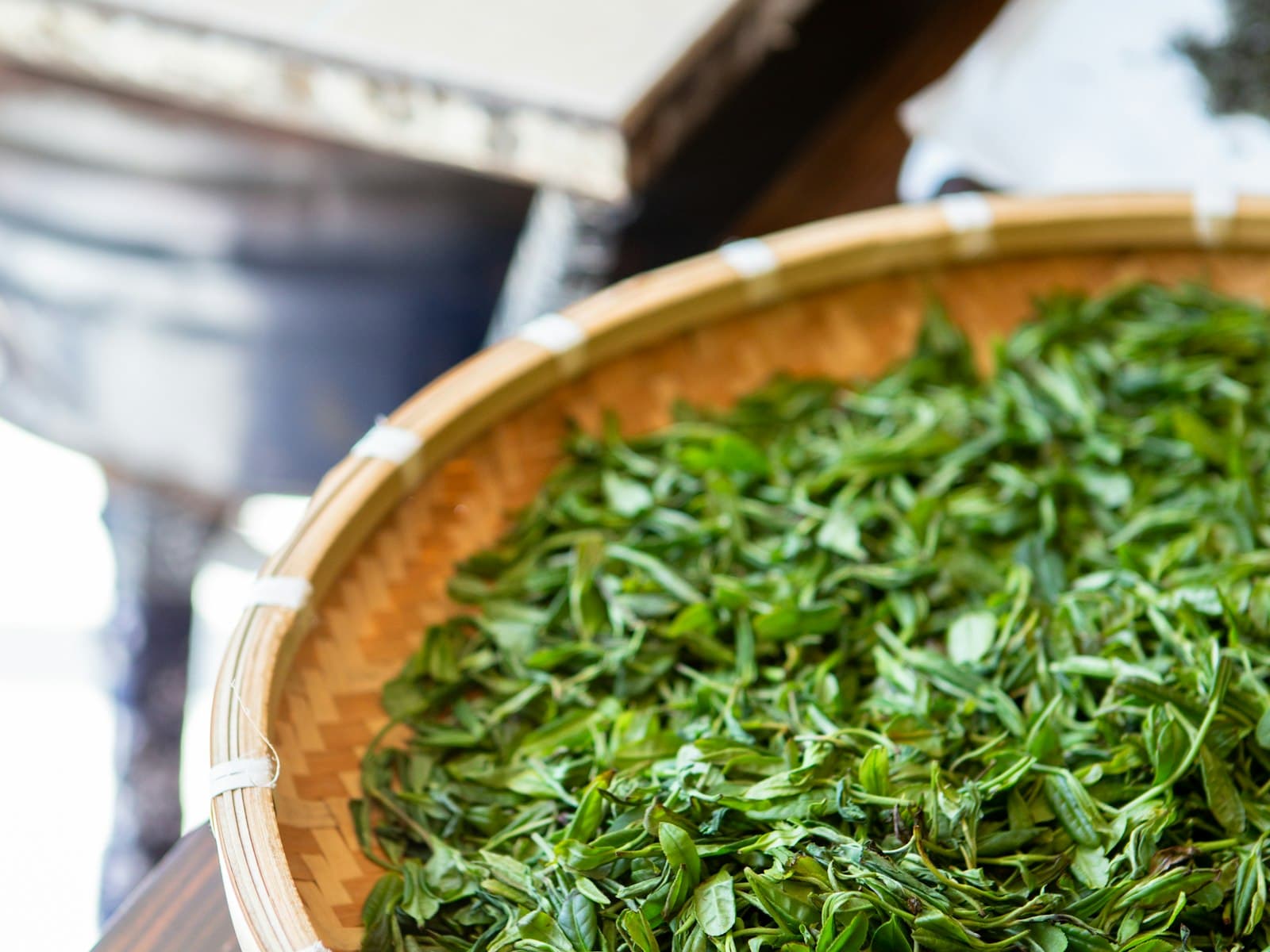
Chanoyu (茶の湯) is the original Japanese art of tea that Sen no Rikyū practiced: preparing matcha deliciously and enjoying it with the person in front of you. Sadō (茶道), “the way of tea,” is the formalized school system built after Rikyū’s death. The difference matters, because the global matcha boom — lattes, cafés, new recipes — is a continuation of chanoyu, not a betrayal of tradition.
What is chanoyu?
Chanoyu, literally “hot water for tea,” is the term used in Sen no Rikyū’s own lifetime (1522–1591). At its heart, it is simple: prepare tea well, and share that one bowl, in that one moment, with your guest.
Rikyū himself was an innovator, not a guardian of rules. He replaced ornate Chinese tea wares with humble raku bowls and grand halls with a two-tatami tea room — radical moves in his day, all in pursuit of a better bowl of tea.
What is sadō?
Sadō (“the way of tea”) is the institutionalized form of tea culture that developed after Rikyū’s death. From the Edo period onward, the iemoto (grand master) system codified tea preparation into fixed procedures, licenses, and ranks.
This system preserved tea culture for centuries — without it, Rikyū’s aesthetics might not have survived. But it also developed partly as a business model for teaching and certification, where “correct form” can matter more than “delicious tea.”
Is the matcha latte a betrayal of Japanese tea tradition?
No. A matcha latte made with care is chanoyu in a modern form.
When a barista studies growing regions to make a better latte, when a café owner tastes dozens of matchas to find the right one, when a customer shares that cup with a friend — that is the pure desire to drink tea deliciously and joyfully. The tea room became a café; the bamboo whisk became a milk frother. The spirit is the same.
Would Rikyū have dismissed the matcha latte? We doubt it. He would have asked, more seriously than anyone: how do we make it taste even better?
Why protecting only sadō can shrink the matcha industry
Here is our honest view as a matcha supplier: the stricter the emphasis on form, the more intimidating matcha becomes — and the fewer people drink it. Guarding sadō too preciously can, ironically, limit the growth of the very industry that supplies it.
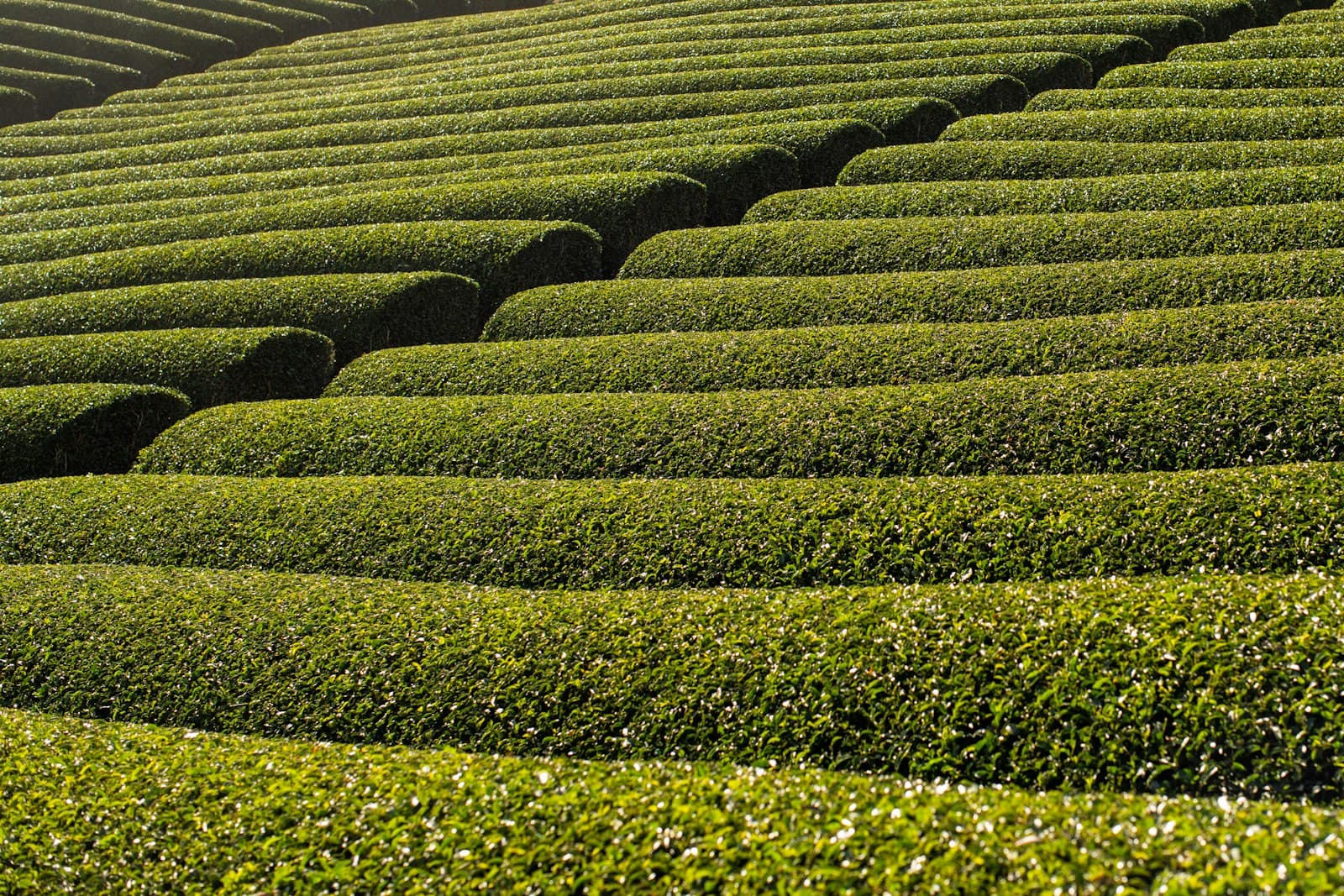
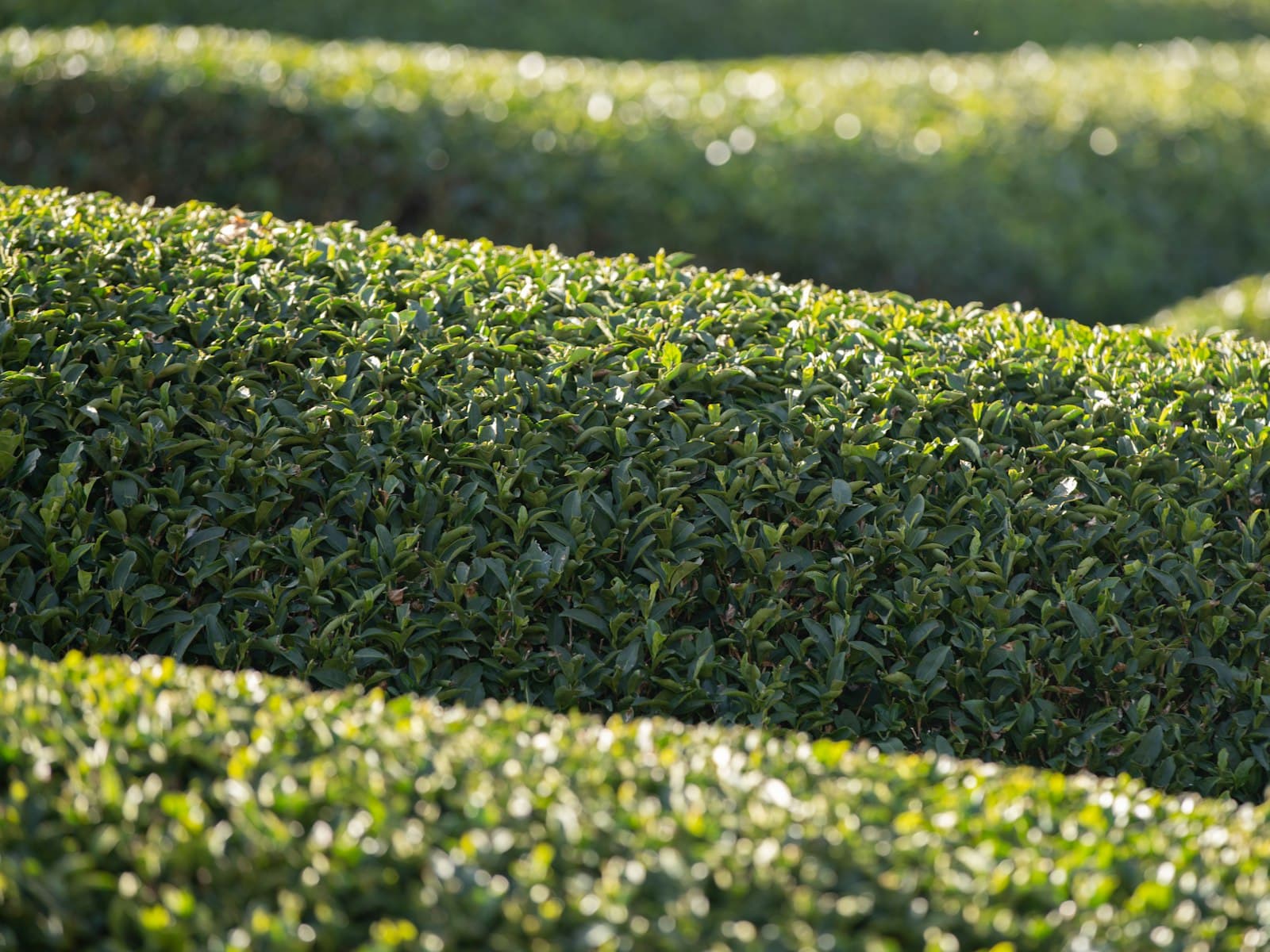
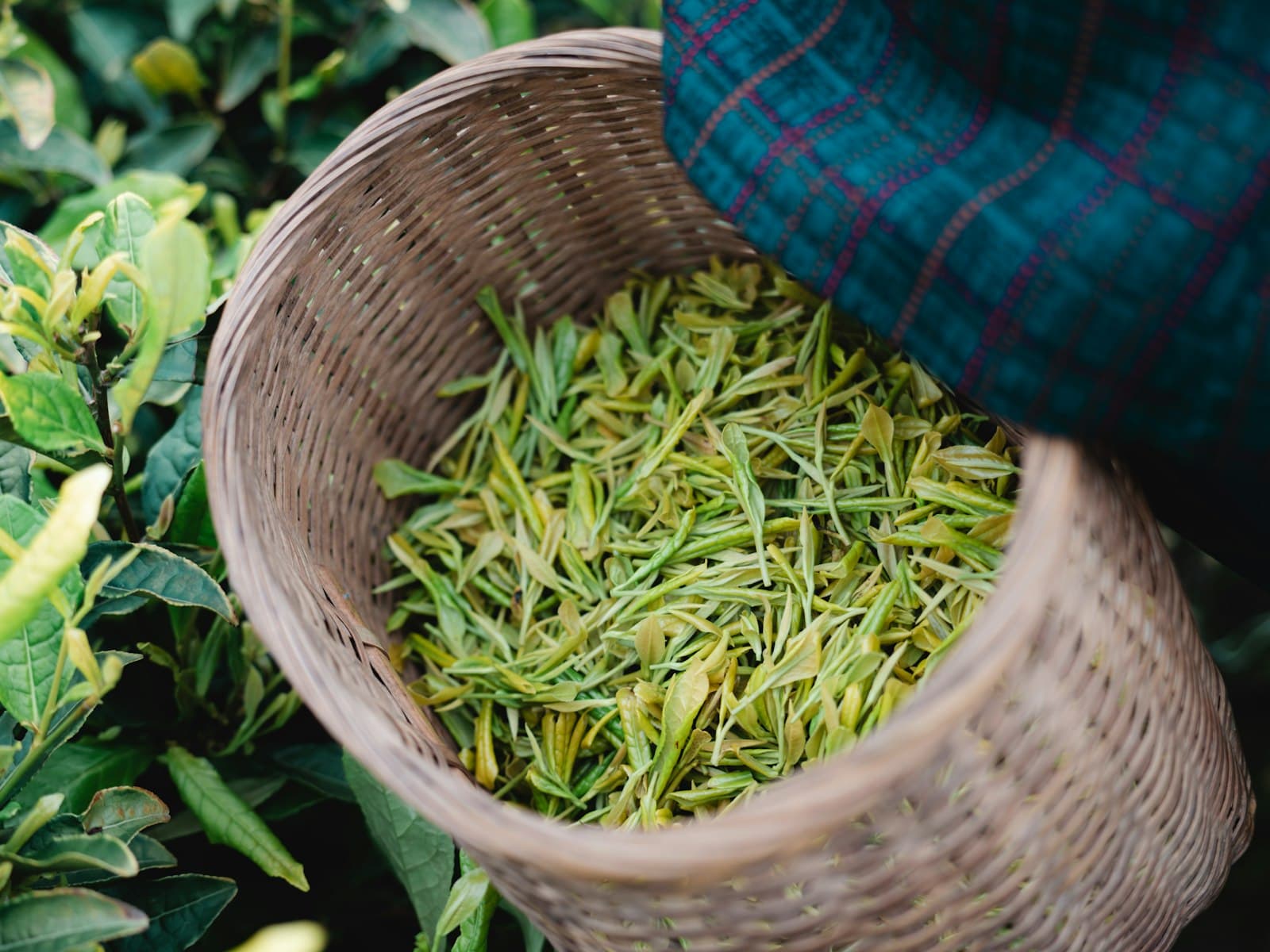
The chanoyu standard — delicious and joyful — points the other way. Lattes, desserts, and new recipes all become real demand, and that demand flows directly back to tea farmers in Kagoshima and Uji. Every new matcha drinker in the world helps sustain a Japanese tea field.
Where Rikyu Matcha stands
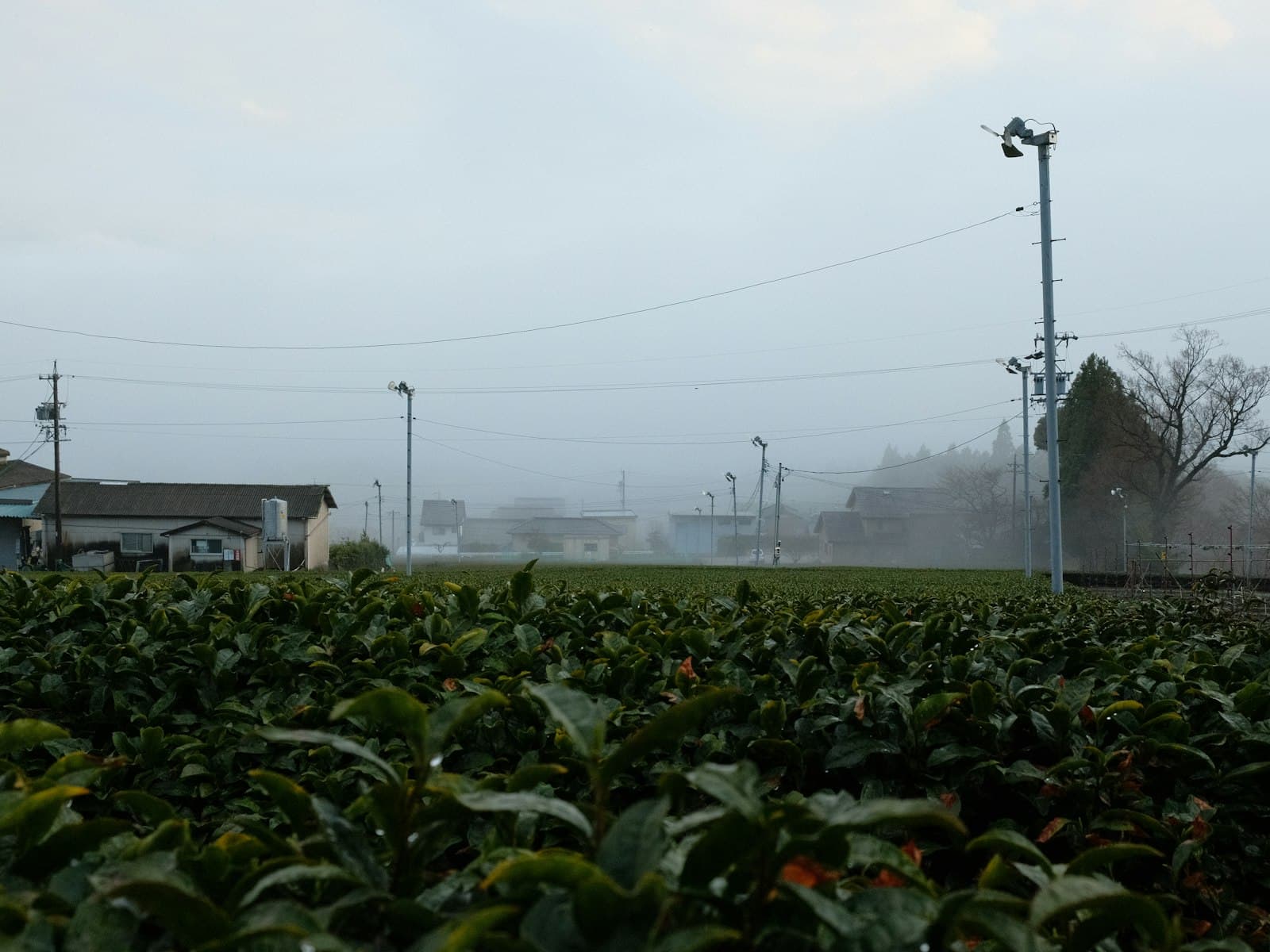
We source matcha directly from farms in Kagoshima and Uji, Kyoto, and supply cafés and wholesale buyers worldwide. Our work is grounded in the spirit of chanoyu:
• Tea should, first and foremost, be delicious
• A bowl of tea is for sharing with the person in front of you
• Innovation that serves those two things is always welcome
Somewhere in the world right now, someone is drinking matcha and saying “this is delicious.” That is proof that chanoyu is alive, four hundred years on.
FAQ
What does chanoyu mean?
Chanoyu (茶の湯) literally means “hot water for tea.” It refers to the practice of preparing and sharing matcha, as embodied by Sen no Rikyū in the 16th century.
Is chanoyu the same as the Japanese tea ceremony?
Not exactly. What English speakers call the “tea ceremony” usually refers to sadō, the formalized school system. Chanoyu is the older, broader idea: enjoying well-prepared tea together.
Who was Sen no Rikyū?
Sen no Rikyū (1522–1591) was the most influential figure in Japanese tea history. Known for wabi aesthetics, he was a radical innovator who broke conventions to perfect the experience of a single bowl of tea.
Is drinking matcha lattes disrespectful to Japanese culture?
We believe the opposite: enjoying matcha in new ways continues the spirit of chanoyu and directly supports Japanese tea farmers.