Chakabuki is a blind tea-tasting game from Kyoto: several teas are brewed without their names, and participants identify each one by color, aroma and taste. It traces back to tea contests in Song-dynasty China and was popular among samurai and nobles in Muromachi-era Japan, on the path that led to the tea ceremony. The rules are simple enough to run as staff training in any café.
"I want to teach my staff to tell matchas apart — is there a good method?" There is, and it is centuries old. The final article of Learning Ujicha ends the course the way Kyoto's tea people do: with a tasting.
What Is Chakabuki?
You may know sakekiki, sake tasting — the skill of holding sake in the mouth and judging its quality and type. Chakabuki is the tea equivalent.
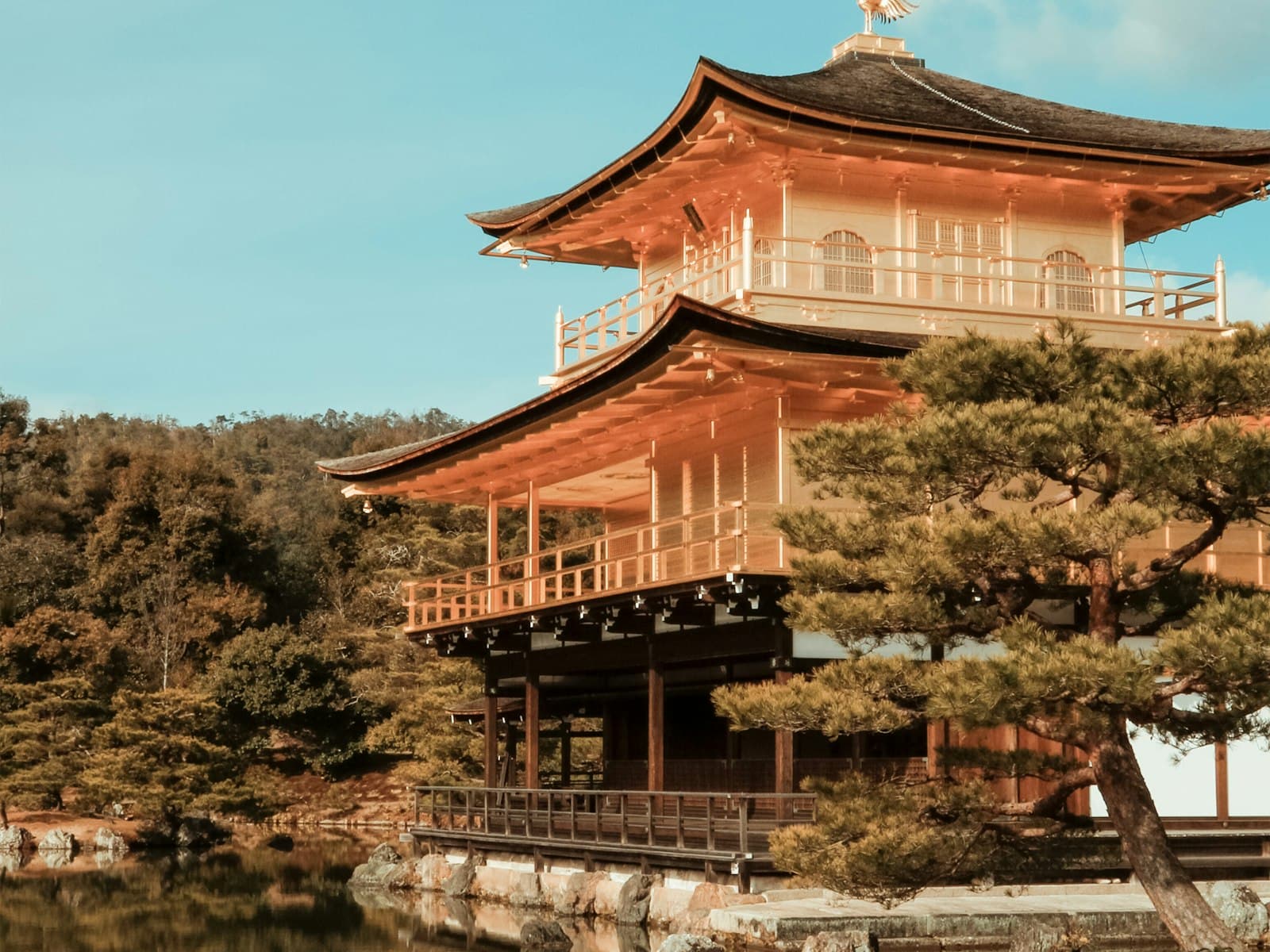
Its history is long. It began as toucha, tea contests in Song China, and spread in Japan during the Nanbokucho and Muromachi periods as a game among samurai and nobles who drank tea daily. That culture later evolved into sado, the tea ceremony. In Kyoto's tea districts, chakabuki is still held today as skills training for tea professionals and as a public event.
How Do You Run One?
You will need: five kinds of tea, five trays, two teapots, two cups per participant, and about six liters of hot water.
Arrange the five dry teas on their trays and show them to the participants. Looking carefully at this stage is the key to winning.
Choose one tea, put it in a teapot with hot water, and brew for about a minute and a half. Pour into the cups.
Serve it to the participants.
Repeat with the other teas (each tea is served only once).
Participants judge each tea by color, aroma and taste, and write down which one they think it is.
The person with the most correct answers wins.
Traditionally the five teas are given code names — flower, bird, wind, moon and guest — so they can be discussed without revealing them.
What Are Kyoto's Tea Masters Actually Distinguishing?
The classic five in an Uji chakabuki, and how to tell them apart:
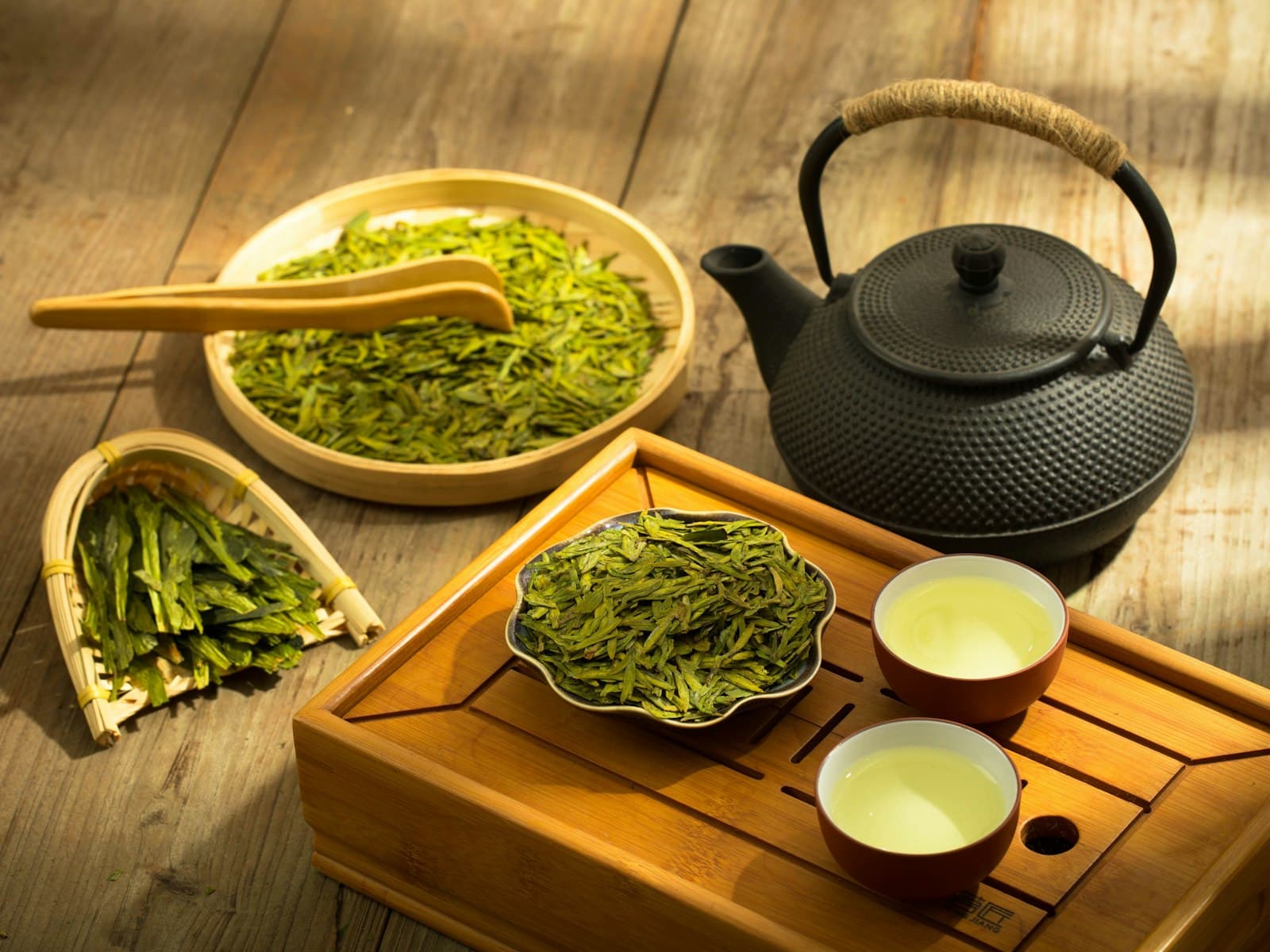
Flower — Gyokuro. Very rich aroma, mildly sweet. Liquor almost crystal clear.
Bird — Tencha. The leaf used for matcha. Liquor almost clear, strong aroma.
Wind — Sencha (Yamashiro). Some astringency, fresh aroma. Light yellow liquor.
Moon — Deep-steamed sencha (Shizuoka). Astringent, slight aroma. A distinctive cloudy liquor.
Guest — Karigane. Stem tea. Sweetness close to gyokuro with the aroma of the stems. Cloudy green liquor.
The trick is to sort by liquor color first. Cloudy means deep-steamed sencha or karigane; clear means gyokuro or tencha. Then narrow it down by aroma and sweetness. Two senchas — one from Uji, one from Shizuoka — differ in steaming time, and once you taste them side by side, they are unmistakably different teas.
How Can a Café Use This?
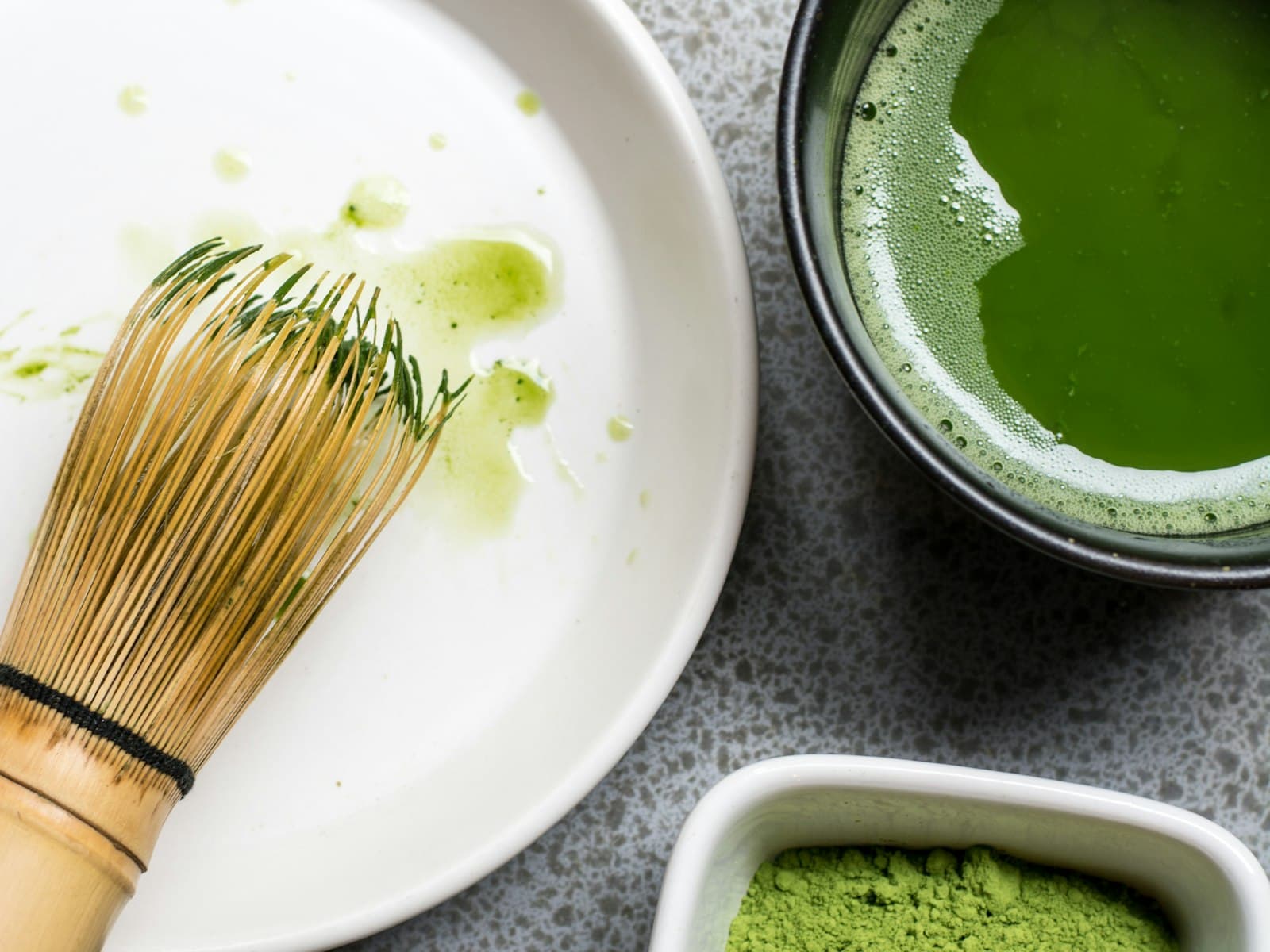
To run it with matcha, prepare three to five matchas from different regions (Uji, Kagoshima, Yame…) or different grades, whisk them at identical strength, and serve them unnamed. Staff practice putting words to what they taste — "this one has the strongest umami," "this one would hold up in a latte" — and their explanations to customers change immediately. Open it up to customers as an event, and the tasting becomes content in itself.
Ask your supplier: "Can you send small samples of different origins or grades for a tasting session?"
FAQ
Do I need exactly five teas?
Five is traditional, but three is plenty to start with.
When running chakabuki with matcha, should I standardize the whisking?
Yes. Keep the amount of matcha, the water temperature and volume, and the whisking time identical — otherwise you are tasting the preparation, not the tea.
Learning Ujicha, part 10 of 10. This completes the series — start again from part 1, Where Is Ujicha Grown?, and the whole region will connect.
Want to run a tasting with matcha from several regions? We're happy to put together a sample set. 📩 Request a sample or get in touch with our team